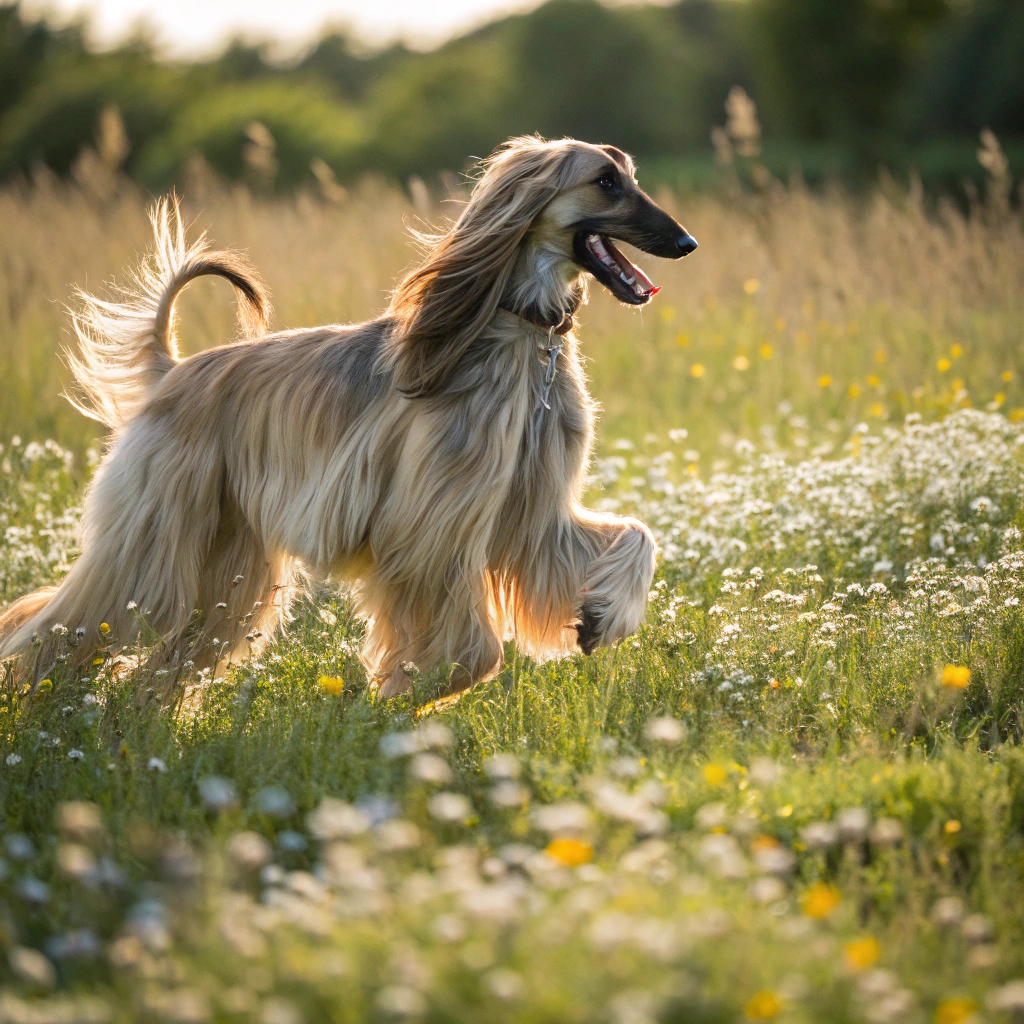
Afghan Hound
About
Meet the Afghan Hound, an ancient sighthound that's basically the supermodel of the dog world—and yes, they know it. Originally bred by nomadic tribes in the mountains of Afghanistan to hunt leopards and gazelles, these elegant athletes are wrapped in a flowing, silky coat that requires serious grooming commitment (think several hours a week). Afghan Hounds are famously independent and cat-like, forming deep bonds with their families but maintaining an aloof dignity with strangers—they won't beg for attention from just anyone. Their strong prey drive means they need secure, fenced areas to run, and their "I'll think about it" approach to recall makes them better suited for experienced owners who appreciate a dog with opinions. If you're looking for an eager-to-please companion who hangs on your every word, this isn't your breed, but if you want a stunning, intelligent, and gloriously independent partner who'll make you work for their affection, the Afghan Hound might just steal your heart.
Size
medium
Life Span
10-14 years
Personality Traits
Afghan Hound
Quick Stats Overview
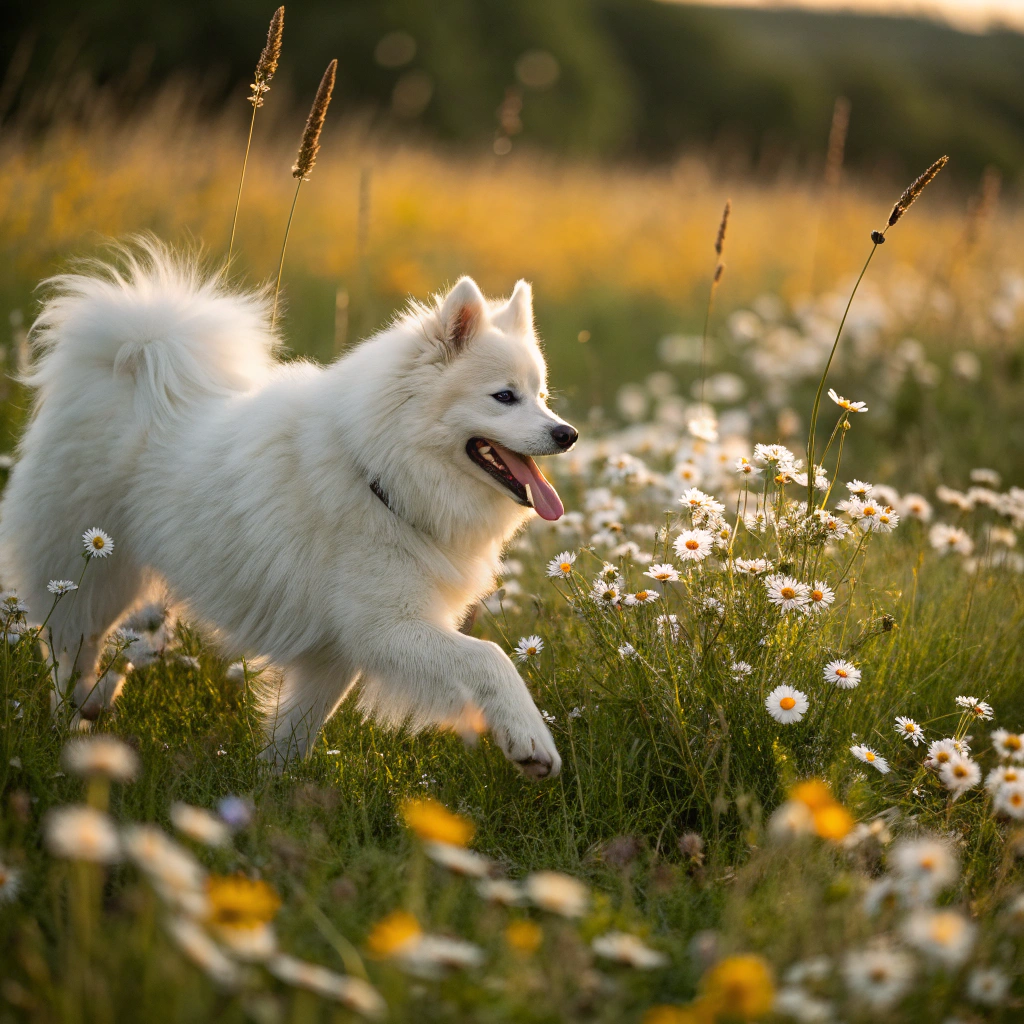
American Eskimo Dog
About
The American Eskimo Dog is a beautiful spitz-type breed that originated in Germany, not Alaska as the name might suggest. These stunning white dogs were originally called German Spitz but were renamed during World War I due to anti-German sentiment. They gained popularity as circus performers in the early 1900s, famous for their intelligence and trainability. American Eskimo Dogs come in three size varieties: Toy (9-12 inches), Miniature (12-15 inches), and Standard (15-19 inches), all weighing between 6-35 pounds depending on size. Their most striking feature is their pure white or cream-colored double coat, which is thick, fluffy, and stands off from the body. They have fox-like faces with alert, triangular ears, dark eyes rimmed in black, and plumed tails that curl over their backs. The breed has a sturdy, compact build despite their fluffy appearance. Their coat requires regular grooming to prevent matting, especially during seasonal shedding periods. American Eskimo Dogs have black points on their noses, lips, and eye rims, creating beautiful contrast against their white coats. These versatile dogs excel in various activities including obedience, agility, and therapy work. Their combination of beauty, intelligence, and trainability made them natural entertainers, and they retain that showmanship today as beloved family companions who thrive on attention and mental stimulation.
Size
medium
Life Span
10-14 years
Personality Traits
American Eskimo Dog
Quick Stats Overview
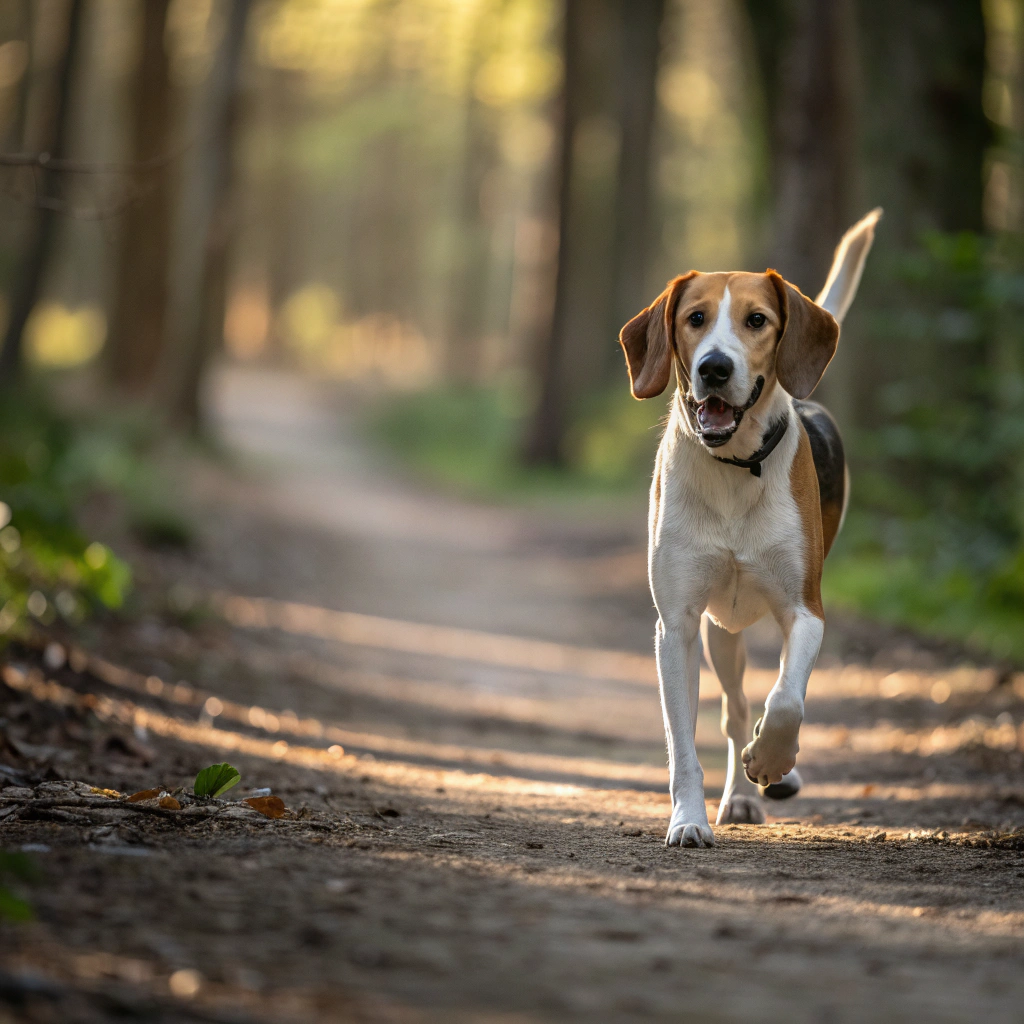
American Foxhound
About
The American Foxhound is a lean, athletic breed developed in colonial America specifically for fox hunting, with roots tracing back to English Foxhounds brought by settlers in the 1600s. George Washington is credited with helping develop the breed, crossing English hounds with French hounds gifted by Lafayette. Standing 21-25 inches tall and weighing 60-70 pounds, these hounds are built for endurance rather than speed, capable of running for hours across varied terrain. They have long, straight legs, deep chests for lung capacity, and muscular bodies that balance power with elegance. American Foxhounds have characteristic hound features: long, low-set ears that hang close to their heads, large brown or hazel eyes conveying gentle expressions, and slightly domed skulls. Their coats are short, hard, and dense, coming in various color combinations including tri-color, red and white, blue and tan, and other hound colors. The breed has a distinctive melodious bay used during hunts to communicate with handlers and other dogs. Their feet are fox-like with well-arched toes and thick pads designed for endurance running. American Foxhounds are lighter and rangier than their English cousins, bred for the rougher American terrain and climate. These working hounds maintain strong hunting instincts and exceptional stamina, requiring active owners who can provide substantial exercise and appreciate their independent hound nature.
Size
medium
Life Span
10-14 years
Personality Traits
American Foxhound
Quick Stats Overview
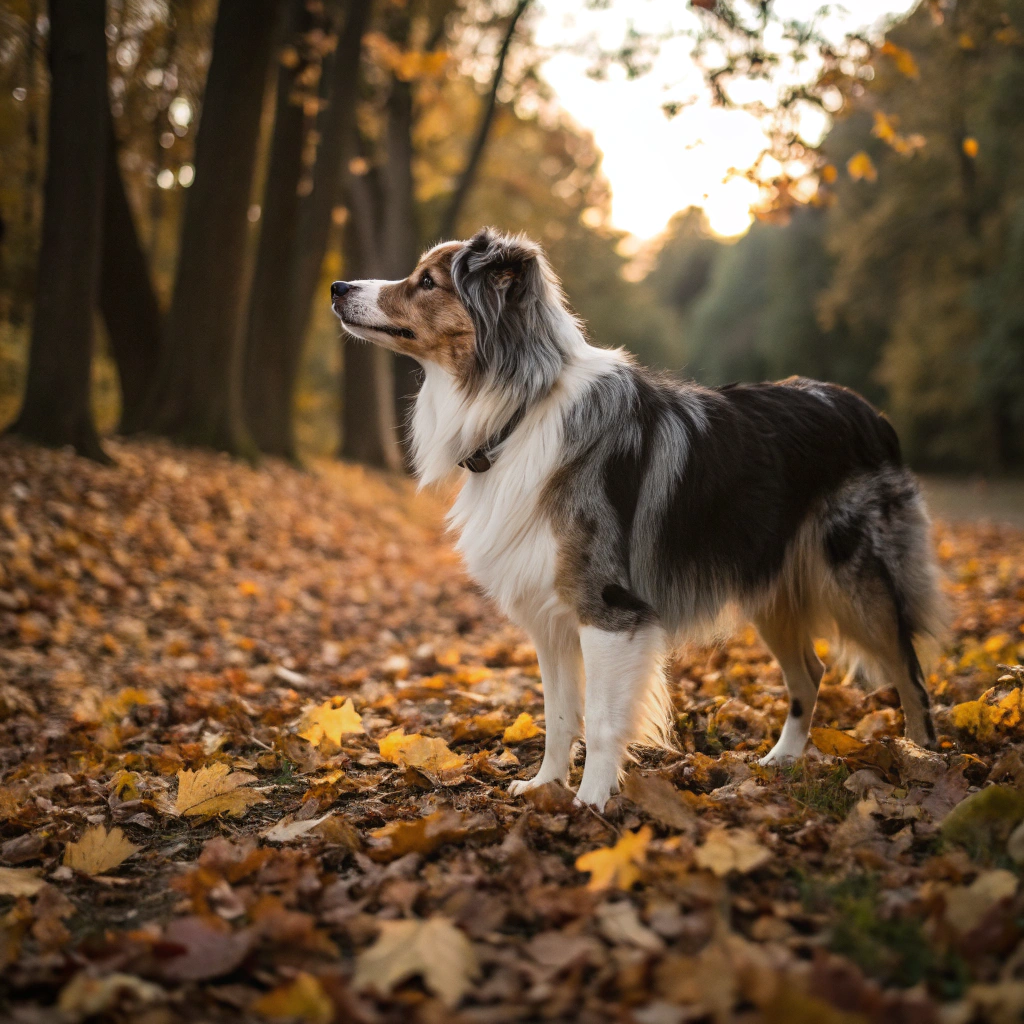
Australian Shepherd
About
The Australian Shepherd—despite its misleading name—was actually developed in the American West to herd livestock, particularly sheep. These medium-sized dynamos (40-65 pounds) are incredibly intelligent, athletic, and driven, with a work ethic that rivals Border Collies. Aussies are famous for their stunning merle coats and mesmerizing eyes (often blue, amber, or one of each), but their beauty is matched by their need for serious mental and physical exercise. Australian Shepherds need 1-2 hours of vigorous daily exercise plus jobs to do, whether that's herding, agility, advanced obedience, or interactive puzzle toys. An under-exercised Aussie becomes anxious, destructive, and may develop obsessive behaviors or try to herd children and other pets by nipping. They're incredibly loyal to their families but can be reserved with strangers, making early socialization important. If you're an active, experienced owner who wants a versatile, intelligent partner for hiking, dog sports, or farm work, and you can provide the extensive exercise and mental stimulation they need, an Australian Shepherd offers unmatched devotion and capability. But they're absolutely not suitable for casual pet owners or anyone with a sedentary lifestyle—these dogs need jobs and purpose.
Size
large
Life Span
10-14 years
Personality Traits
Australian Shepherd
Quick Stats Overview
Basenji
About
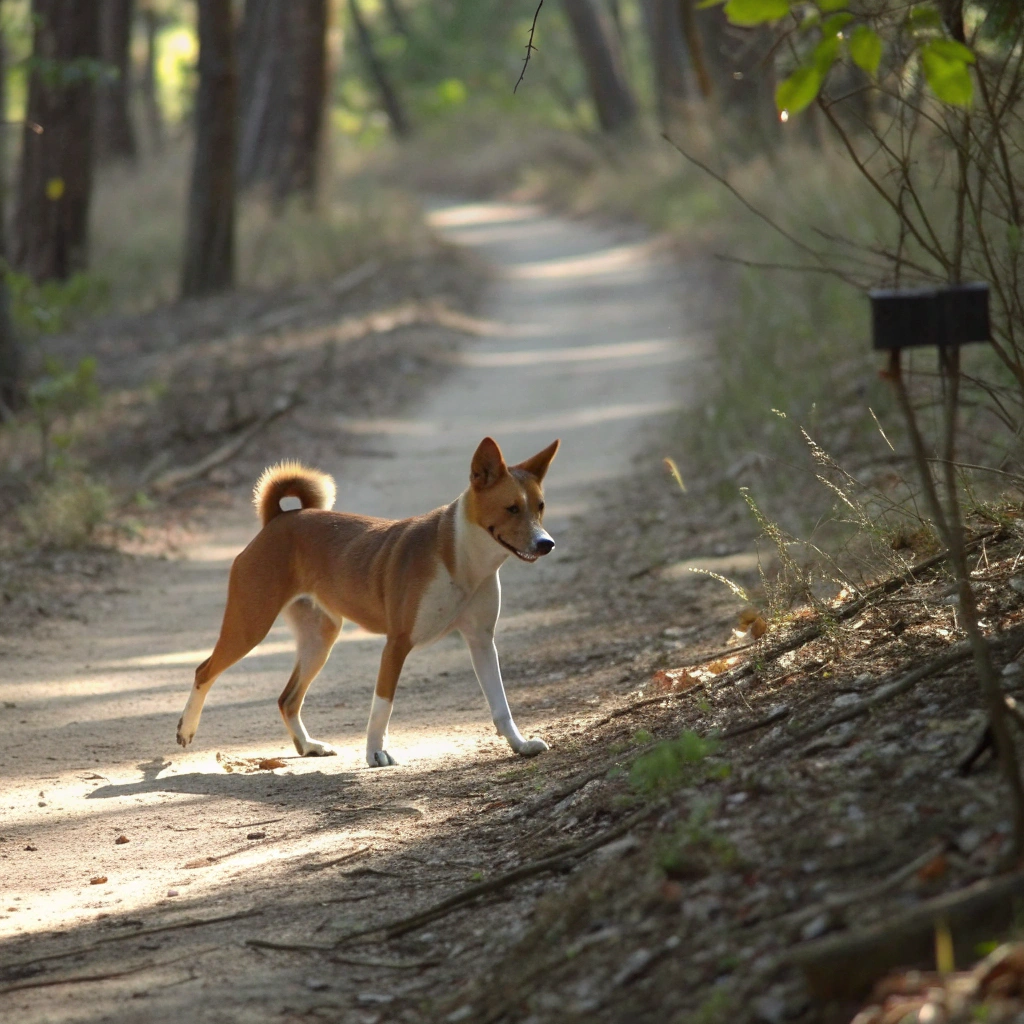
The Basenji is an ancient African breed known as the "barkless dog," originating from Central Africa where they hunted alongside tribes for thousands of years. Archaeological evidence suggests Basenjis were present in ancient Egypt, depicted in cave paintings and given as gifts to pharaohs. Standing 16-17 inches tall and weighing 22-24 pounds, these compact dogs are elegant and athletic with square proportions. Their most distinctive features include tightly curled tails carried over the back, wrinkled foreheads that give them alert, thoughtful expressions, and almond-shaped eyes. Basenjis have short, fine coats that come in chestnut red, black, tricolor, or brindle, all with white markings on the chest, feet, and tail tip. They have erect, pointed ears and graceful, long necks. The breed is remarkably clean and fastidious, grooming themselves like cats. While they don't bark traditionally, Basenjis produce unique sounds including yodels, howls, and "baroos" due to their unusually shaped larynx. They have a distinctive gait, moving with a swift, effortless stride that resembles a racehorse. Basenjis are built for speed and agility, with long legs and muscular hindquarters. Their hunting heritage is evident in their keen sight and incredible prey drive. These intelligent dogs remain relatively rare and retain primitive dog characteristics, making them fascinating but challenging companions requiring experienced owners who appreciate their independent, cat-like nature.
Size
medium
Life Span
10-14 years
Personality Traits
Basenji
Quick Stats Overview
Basset Hound
About
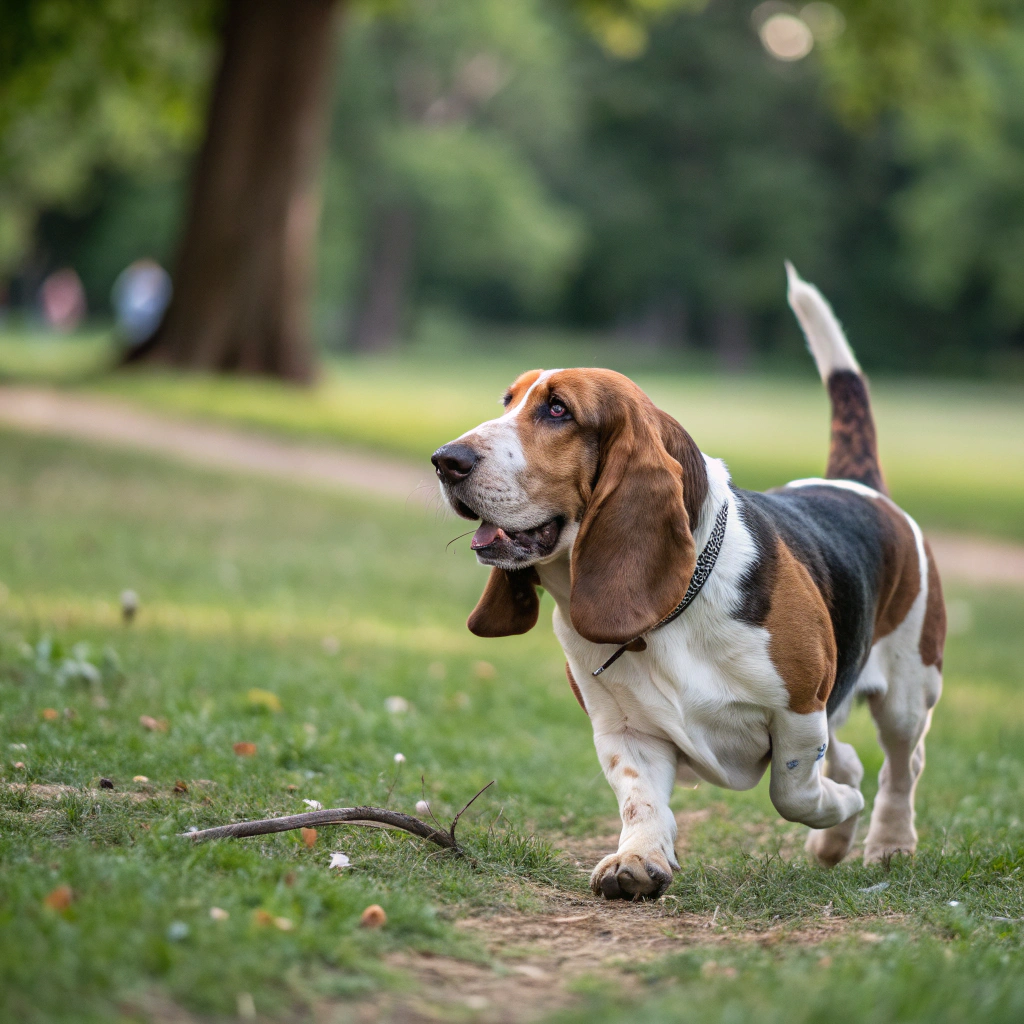
The Basset Hound is a distinctive short-legged breed developed in France, originally bred for hunting small game like rabbits and hares. Their name comes from the French word "bas," meaning low, perfectly describing their low-to-the-ground stature. Standing just 12-15 inches tall but weighing 40-65 pounds, these substantial dogs have long, heavy bodies supported by short, powerful legs with massive paws. Their most recognizable features include extremely long, velvety ears that can reach past their nose, loose skin creating endearing wrinkles around the face and neck, and soulful, droopy eyes that convey perpetual sadness even when they're happy. Basset Hounds have a smooth, short coat that comes in classic tri-color (black, tan, and white), red and white, or lemon and white patterns. Their phenomenal sense of smell is second only to Bloodhounds, with an estimated 220 million scent receptors allowing them to follow trails with remarkable determination. These pack hounds were designed for endurance rather than speed, methodically tracking prey for hours through difficult terrain. Despite their hunting heritage, modern Basset Hounds are primarily cherished as affectionate family companions who bring humor and devotion to households willing to accommodate their unique needs and stubborn charm.
Size
medium
Life Span
10-14 years
Personality Traits
Basset Hound
Quick Stats Overview
Beagle
About
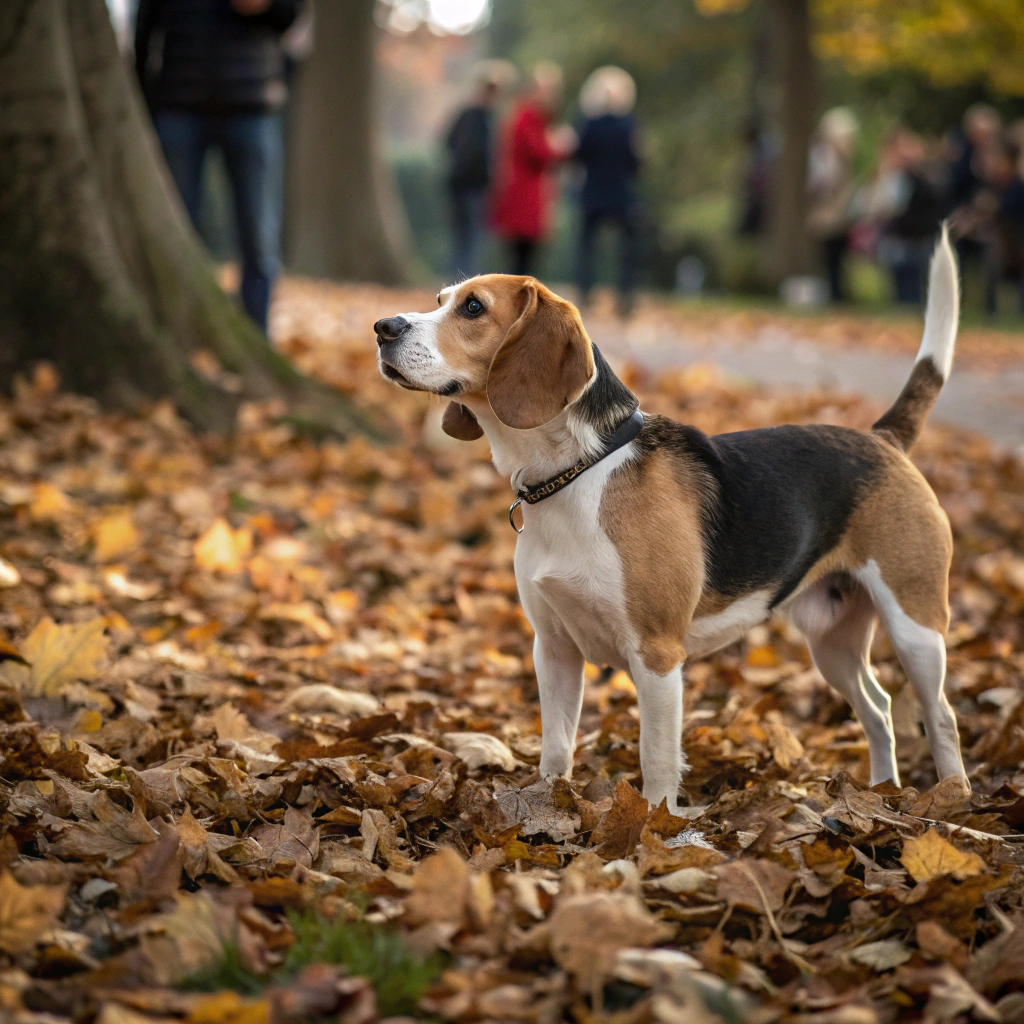
The Beagle is one of the most lovable troublemakers in the dog world—a compact scent hound originally bred in England for hunting rabbits. With their soulful eyes, floppy ears, and eternally wagging tail, Beagles have perfected the art of looking innocent even when they've just raided your kitchen counter. These merry little detectives were designed to follow their nose above all else, which means their incredible sense of smell can override even the most well-trained recall command. Beagles are pack animals at heart, thriving on companionship whether with humans or other dogs, and they'll serenade you with their distinctive howl-bay-bark combo (your neighbors will have opinions about this). They need regular exercise to burn off their considerable energy and prevent boredom-driven destruction, plus they're food-motivated to a fault—these dogs will eat anything, anytime, and blame you for not hiding it better. If you want a cheerful, affectionate family dog who's great with kids and other pets, and you can handle some stubborn independence and creative escape artistry, a Beagle brings endless entertainment and loyalty. Just invest in a secure fence and hide the snacks.
Size
medium
Life Span
10-14 years
Personality Traits
Beagle
Quick Stats Overview
Bernese Mountain Dog
About
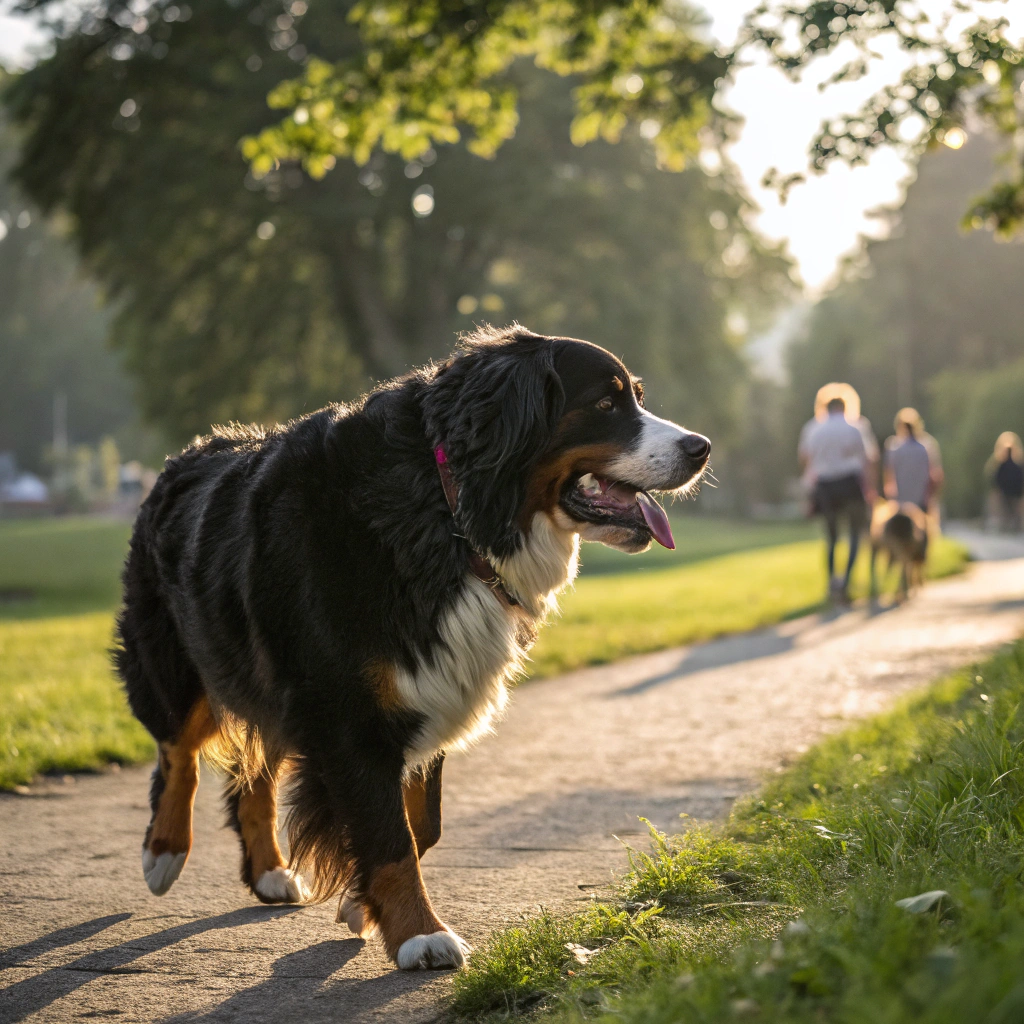
The Bernese Mountain Dog is a gentle giant from the Swiss Alps, originally bred to pull carts, drive cattle, and serve as loyal farm companions. These stunning dogs (70-115 pounds) feature a distinctive tri-color coat (black, white, and rust) and a calm, affectionate temperament that makes them beloved family companions. Berners are known for their devotion to family, gentle nature with children, and that endearing "Berner lean" where they press their substantial weight against their favorite humans. Bernese Mountain Dogs need moderate daily exercise—they're working dogs but not as high-energy as herding breeds like Border Collies. They thrive in cooler climates (that thick coat was designed for Swiss winters) and can struggle in heat. Their gorgeous coat requires regular brushing and they shed heavily year-round. The heartbreaking reality: Berners have shorter lifespans (7-10 years) and are prone to cancer and other health issues. If you have space for a large dog, live in a cooler climate, and want a gentle, devoted family companion who's excellent with children and other pets, a Berner offers unmatched sweetness. They need consistent training (they're strong!), regular grooming, climate control in warm weather, and understanding that their time with you will likely be shorter than many breeds—but they pack incredible love and devotion into those years.
Size
medium
Life Span
10-14 years
Personality Traits
Bernese Mountain Dog
Quick Stats Overview
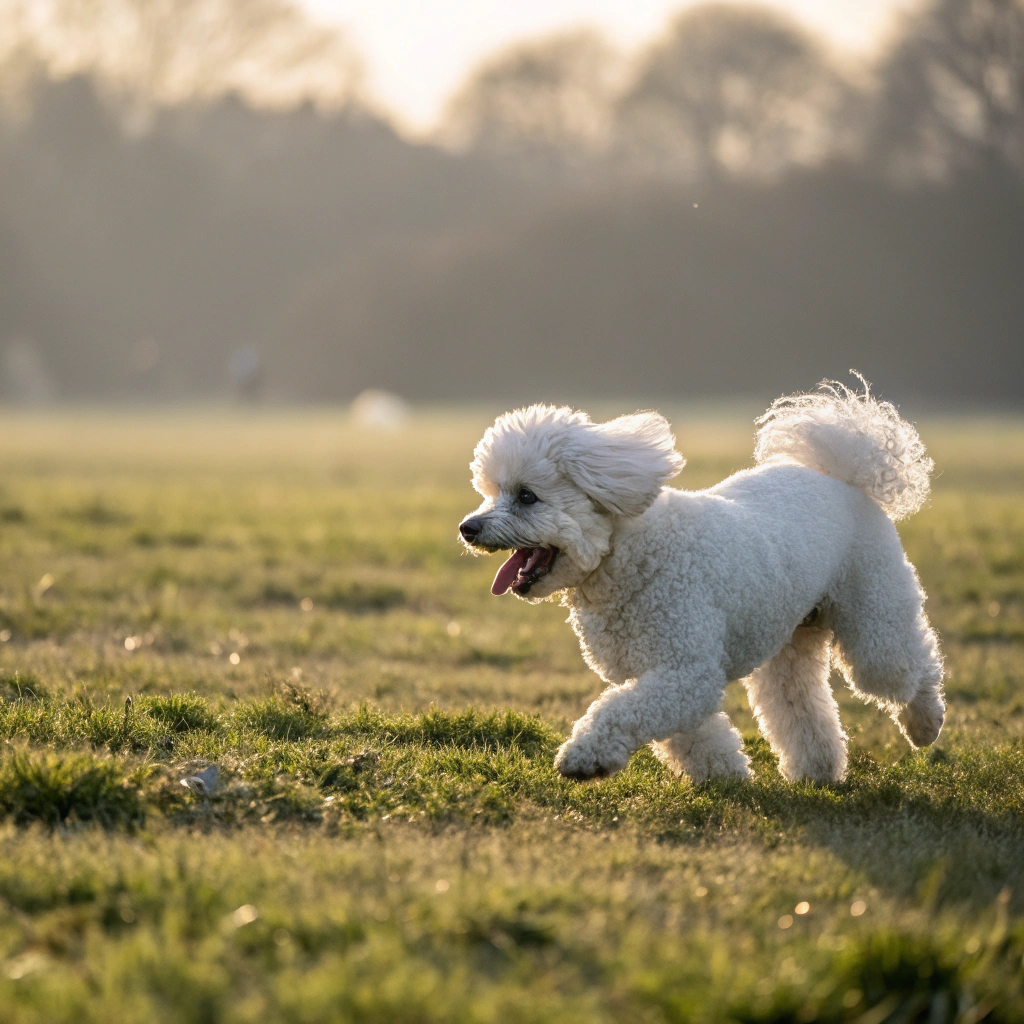
Bichon Frise
About
The Bichon Frise is a small, sturdy breed with Mediterranean roots, likely descending from the Barbet (water spaniel) and developing on Tenerife in the Canary Islands. These charming dogs became favorites of European nobility during the Renaissance, particularly in France and Spain. Standing 9-12 inches tall and weighing 12-18 pounds, Bichons have compact, well-proportioned bodies hidden beneath their signature fluffy coats. Their most recognizable feature is their pure white, powder-puff coat that creates a rounded silhouette when properly groomed. The double coat has soft, dense undercoats and coarser, curly outer coats that create texture without matting easily. Bichons have dark, round eyes that sparkle with intelligence and curiosity, black or dark brown noses, and dropped ears covered with long, flowing hair. Their tails are plumed and carried gracefully over their backs. The breed has black or dark brown eye rims and lips creating beautiful facial expression against white coats. Bichons require professional grooming every 4-6 weeks to maintain their characteristic rounded appearance. They're considered hypoallergenic because they shed minimally, making them popular with allergy sufferers. Their sturdy build surprises people who expect fragility from small, fluffy dogs. Bichon Frises are cheerful, confident dogs who transition well between city and country living, thriving as companion animals who bring joy and entertainment to families of all types.
Size
medium
Life Span
10-14 years
Personality Traits
Bichon Frise
Quick Stats Overview
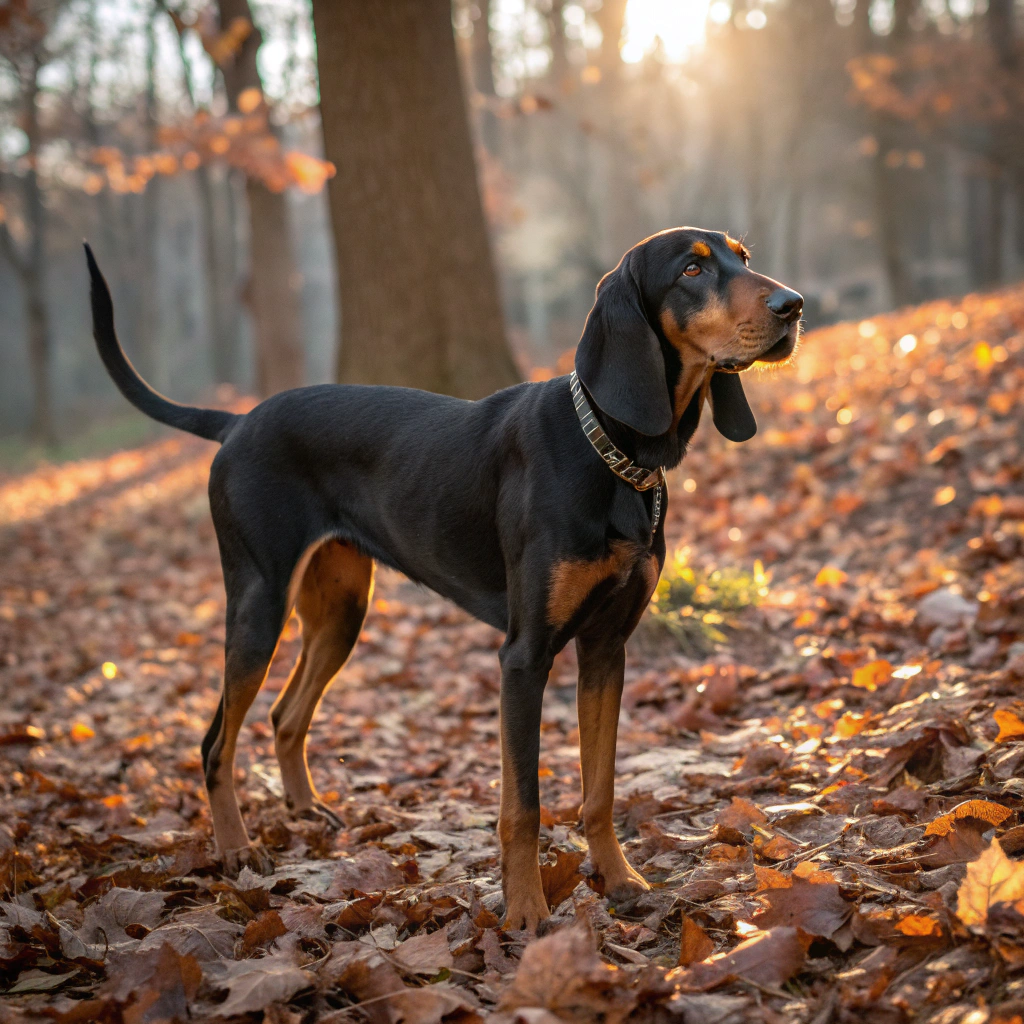
Black and Tan Coonhound
About
The Black and Tan Coonhound is a powerful American scenthound developed in the Appalachian, Blue Ridge, Ozark, and Smoky Mountains for tracking and treeing raccoons and other game. Descended from Bloodhounds and Foxhounds, this breed was purpose-built for difficult terrain and night hunting. Standing 23-27 inches tall and weighing 65-110 pounds, these substantial hounds combine power with agility and endurance. Their most distinctive feature is their rich coloration: coal-black coats with tan markings above the eyes, on the sides of the muzzle, chest, legs, and under the tail. Black and Tan Coonhounds have long, hanging ears reaching well past the nose when pulled forward, contributing to their excellent scenting ability. They have loose skin, particularly around the head and neck, and distinctly hound-like features including deep-set, gentle eyes and slightly domed skulls. Their coats are short and dense, providing protection during hunts through rough terrain. These hounds have long, powerful tails carried freely, deep chests for stamina, and strong, well-boned legs built for endurance running. Their distinctive bay is musical and carries long distances, designed to alert hunters when game is treed. Black and Tan Coonhounds have exceptional cold noses, able to follow old trails with remarkable accuracy. Their working heritage remains strong, requiring active families who appreciate hound characteristics including vocal nature, strong scenting instincts, and substantial exercise needs for these capable, devoted hunting companions.
Size
medium
Life Span
10-14 years
Personality Traits
Black and Tan Coonhound
Quick Stats Overview
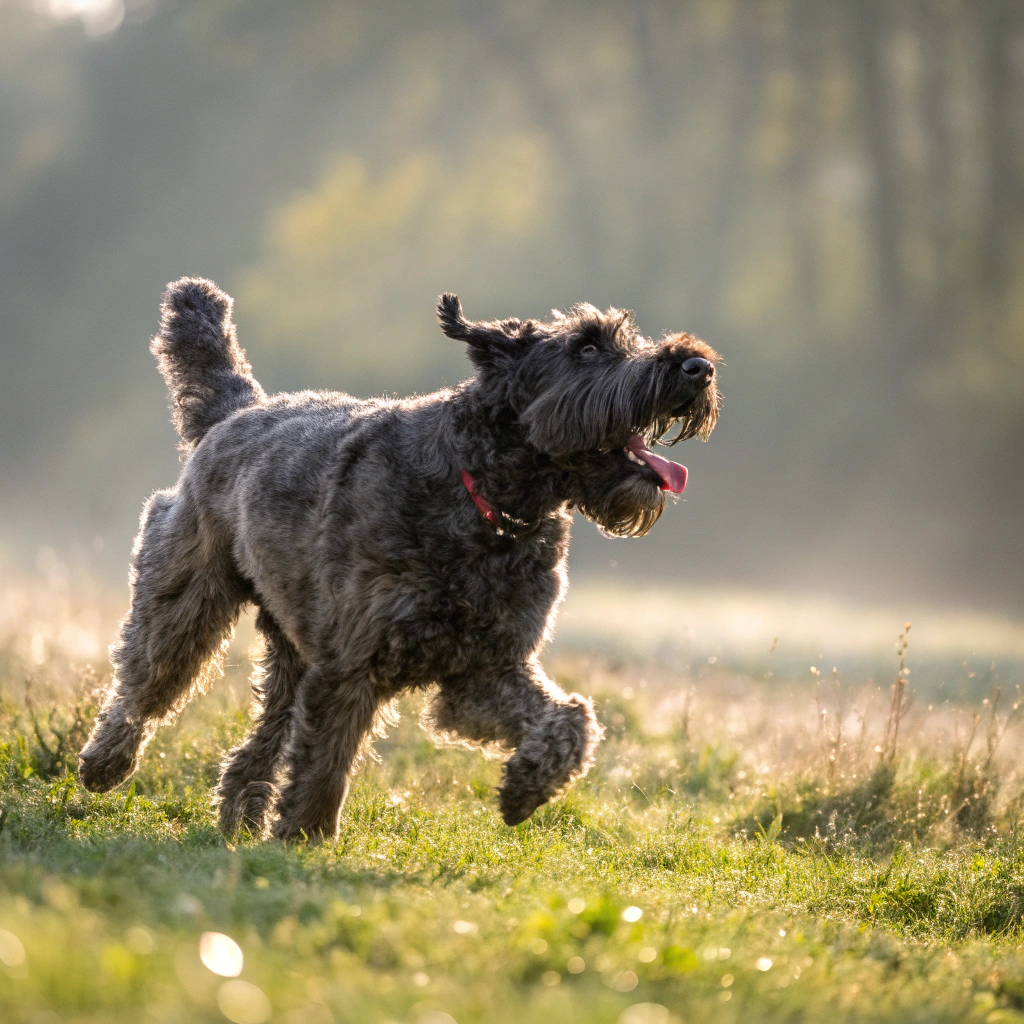
Bouvier des Flandres
About
The Bouvier des Flandres is a powerful Belgian herding breed originating from the Flanders region, developed to be versatile farm dogs handling cattle, pulling carts, and guarding property. Their name literally means "cowherd from Flanders." Nearly extinct after World War I, dedicated breeders revived the breed. Standing 23-28 inches tall and weighing 70-110 pounds, these substantial dogs combine strength with agility. Bouviers have characteristic rough, tousled coats that are thick and weather-resistant, coming in fawn, black, gray brindle, or salt-and-pepper colors. Their most recognizable features include impressive beards, mustaches, and bushy eyebrows that give them wise, dignified expressions. They have compact, powerful bodies with broad, deep chests and strong, muscular hindquarters. Bouvier ears can be natural or cropped; natural ears are triangular and held close to the head. Their tails are traditionally docked short, though natural tails are becoming more common. The rough double coat requires regular grooming to prevent matting but provides excellent protection in harsh weather. Bouviers have large, dark eyes that appear intelligent and alert beneath those signature eyebrows. These versatile working dogs excel in various roles including police work, search and rescue, and therapy work, demonstrating their adaptability and intelligence as capable partners.
Size
large
Life Span
10-14 years
Personality Traits
Bouvier des Flandres
Quick Stats Overview
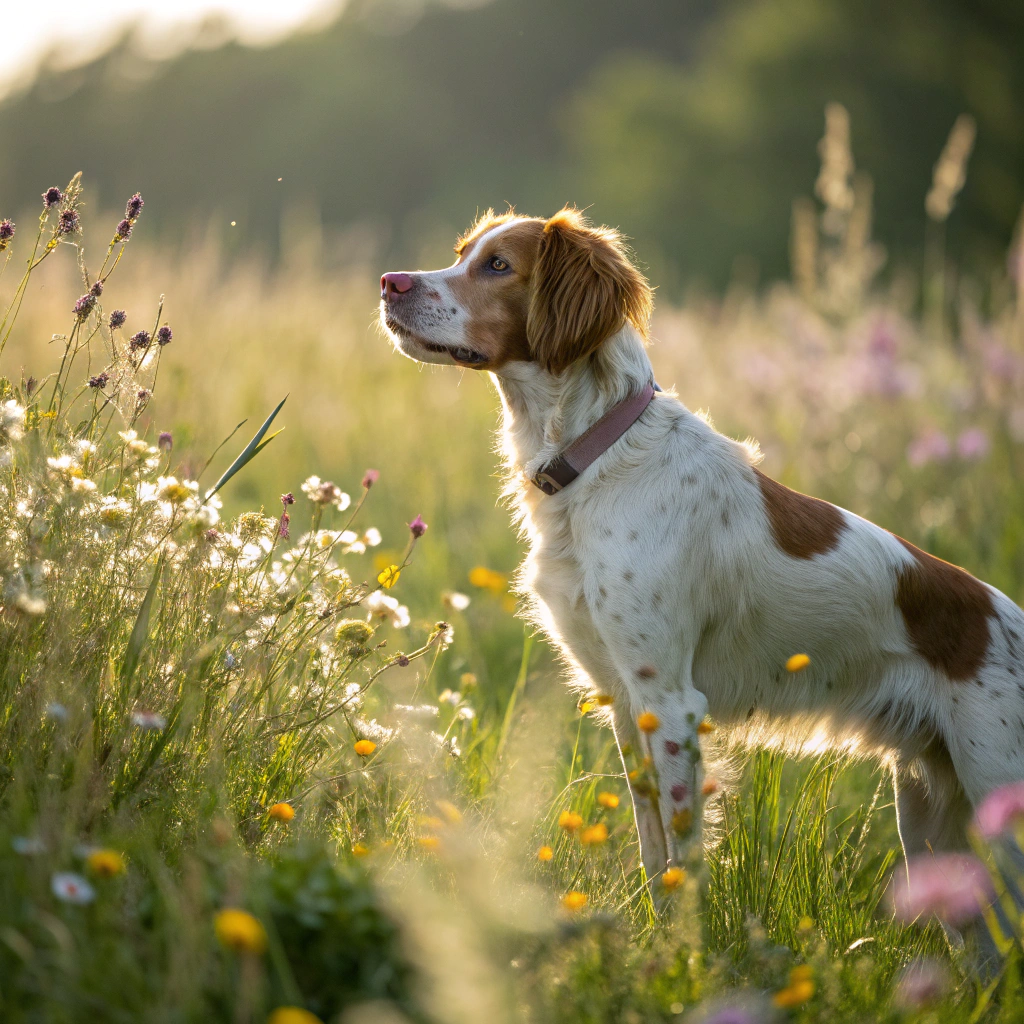
Brittany
About
The Brittany is a versatile French gun dog that combines the pointing ability of setters with the retrieving skills of spaniels, all in a compact, athletic package. Originally bred to hunt game birds in the rugged terrain of Brittany, France, these medium-sized dogs (30-40 pounds) are incredibly energetic, intelligent, and sensitive. Brittanys are "soft" dogs who respond beautifully to positive training but shut down with harsh corrections. These tireless athletes need 1-2 hours of vigorous daily exercise and thrive in active homes where they can run, hunt, or participate in dog sports like agility or field trials. An under-exercised Brittany becomes anxious, hyperactive, and destructive. They're affectionate family dogs who form deep bonds with their people but can be reserved with strangers. Their sensitive nature means they pick up on household stress and emotions easily. If you're an active, outdoorsy owner who wants an athletic partner for running, hiking, or hunting, and you can provide the extensive exercise they need, a Brittany offers unmatched enthusiasm and devotion. They're easier to groom than many sporting breeds (minimal coat maintenance), but they absolutely need jobs and purpose—these aren't couch dogs, and they'll let you know it if under-stimulated.
Size
medium
Life Span
10-14 years
Personality Traits
Brittany
Quick Stats Overview
Bulldog
About
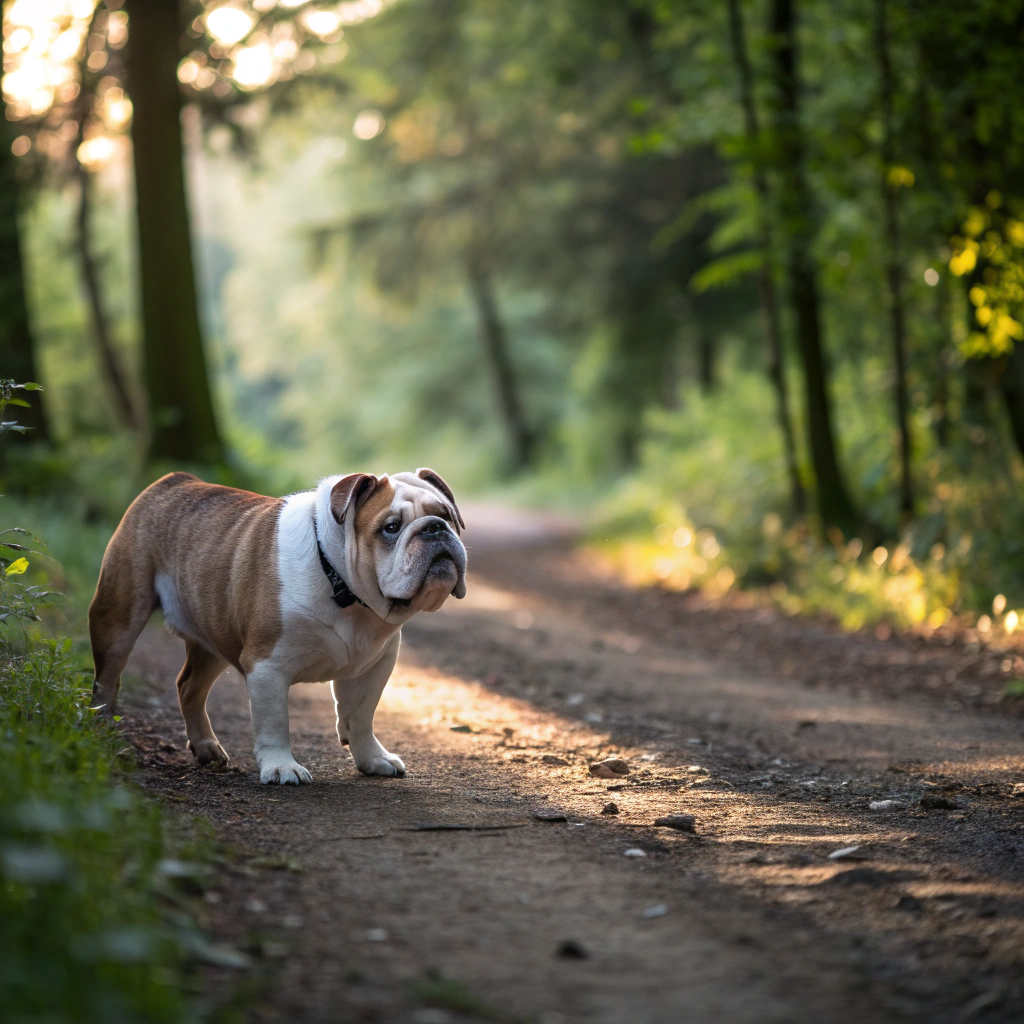
The Bulldog is the ultimate couch companion—a muscular, medium-sized breed (40-50 pounds) with a distinctive pushed-in face, stocky build, and loose, wrinkled skin that makes them instantly recognizable. Originally bred in England for the brutal sport of bull-baiting, modern Bulldogs have been bred for companionship and are known for their gentle, dignified demeanor. These dogs are incredibly affectionate with families, patient with children, and surprisingly stubborn despite their laid-back appearance. Bulldogs have minimal exercise needs—short, leisurely walks are perfect, and they're equally happy napping on the couch. Their flat faces cause serious health considerations: they overheat easily (air conditioning is essential), struggle with breathing, often snore loudly, and can't swim. Many Bulldogs require cesarean sections for birth due to their large heads, and they're prone to skin infections in their wrinkles, which need regular cleaning. If you want a low-energy, affectionate companion who's content with minimal exercise, great with kids, and brings comedic charm to daily life, a Bulldog is perfect. They need climate-controlled environments, regular wrinkle maintenance, veterinary care for breathing issues, and understanding owners who accept their health challenges—but they offer unwavering loyalty and gentle companionship.
Size
medium
Life Span
10-14 years
Personality Traits
Bulldog
Quick Stats Overview
Cairn Terrier
About
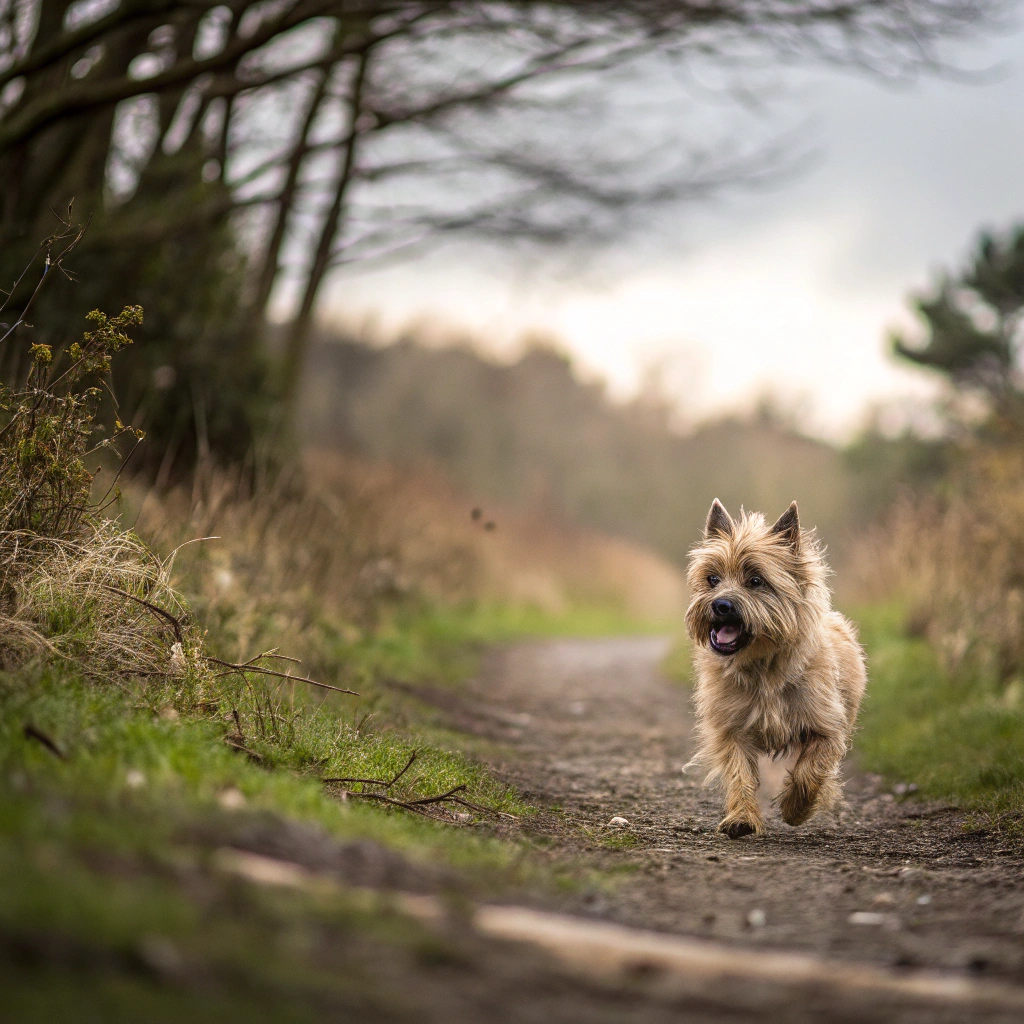
The Cairn Terrier is a small, hardy Scottish breed originating from the Isle of Skye and Scottish Highlands, where they hunted vermin among the cairns (stone piles marking graves or borders). One of Scotland's oldest terrier breeds, Cairns are working terriers bred for function over form. Standing 9-10 inches tall and weighing 13-14 pounds, these compact terriers are longer than tall, built for squeezing into rocky dens after prey. They have shaggy, weather-resistant double coats coming in various colors including cream, wheaten, red, gray, or nearly black, often with darker points. Cairn Terriers have broad heads, short muzzles, and small, pointed ears that stand erect. Their dark, intelligent eyes are deeply set beneath shaggy eyebrows. These terriers have strong, short legs with large, well-padded feet for digging. Their tails are short, carried gaily but never curled over backs. Cairns have harsh outer coats and soft, dense undercoats providing insulation in harsh Scottish weather. Their natural, untrimmed appearance gives them charmingly scruffy looks. The breed's sturdy build belies their small size—they're substantial terriers built for work. Cairn Terriers are famously portrayed by Toto in "The Wizard of Oz," representing their plucky, adventurous spirit perfectly.
Size
medium
Life Span
10-14 years
Personality Traits
Cairn Terrier
Quick Stats Overview
Canaan Dog
About
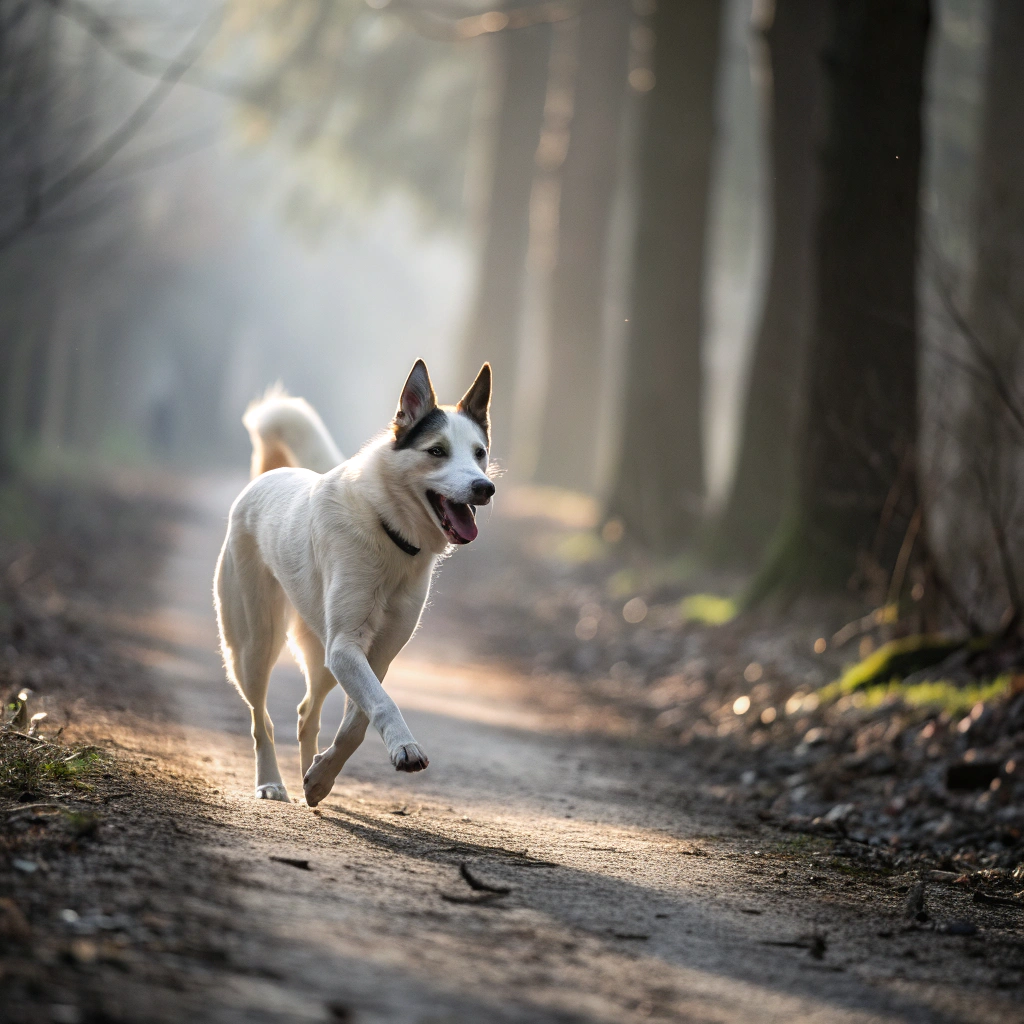
The Canaan Dog is an ancient breed native to the Middle East, possibly dating back to biblical times, serving as guard dogs and herders for the Israelites. After the dispersal of the Israelites, feral populations survived in the Negev Desert for thousands of years. In the 1930s, Dr. Rudolphina Menzel captured and domesticated these feral dogs to create the modern breed. Standing 19-24 inches tall and weighing 35-55 pounds, Canaan Dogs are medium-sized with moderate, balanced proportions. They have wedge-shaped heads, erect, low-set ears, and almond-shaped, dark eyes that convey intelligence and alertness. Their double coats are short to medium length, straight and harsh, coming in various colors including cream, golden, red, white, black, or spotted patterns. Canaan Dogs have bushy tails that curl over their backs when alert. These primitive dogs retain many survival instincts including resource guarding and territorial behavior. They're remarkably adaptable, having survived harsh desert conditions independently. Canaan Dogs have catlike cleanliness and minimal doggy odor. Their moderate size, natural appearance, and hardy constitution reflect their ancient heritage as working dogs who needed to survive without human intervention.
Size
medium
Life Span
10-14 years
Personality Traits
Canaan Dog
Quick Stats Overview
Cardigan Welsh Corgi
About
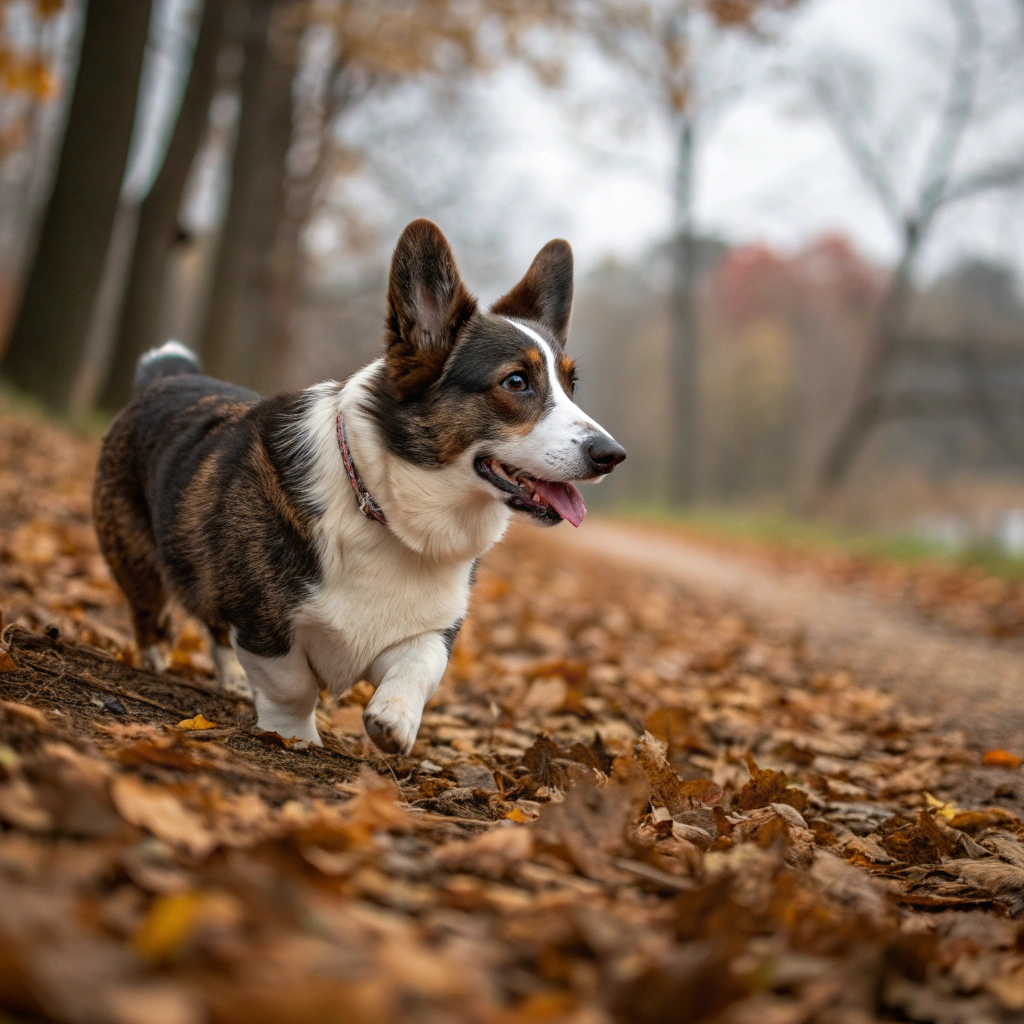
The Cardigan Welsh Corgi is one of Wales' two distinct corgi breeds (along with the Pembroke), recognized as the older variety with documented history dating back over 1,000 years. Brought to Wales by Celtic tribes, Cardigans worked as versatile farm dogs, herding cattle and guarding property. Standing 10-13 inches tall but weighing 25-38 pounds, these long, low dogs have substantial bone and muscular builds hidden beneath their short stature. Cardigans have long, fox-like tails (unlike Pembrokes who are naturally tailless or docked), deep chests, and short, powerful legs. Their ears are large, rounded, and erect, giving them alert expressions. Cardigan Welsh Corgis have medium-length double coats coming in various colors including red, sable, brindle, black, or blue merle, all with or without white markings and brindle points. They have slightly longer bodies than Pembrokes with more curved toplines. Their large, round eyes convey intelligence and can be blue in merle-colored dogs. Cardigans have large, well-padded feet turned slightly outward. These herding dogs' low stature allowed them to nip at cattle heels while ducking kicks. The breed nearly became extinct in the early 1900s but dedicated breeders preserved these capable workers.
Size
medium
Life Span
10-14 years
Personality Traits
Cardigan Welsh Corgi
Quick Stats Overview
Cavalier King Charles Spaniel
About
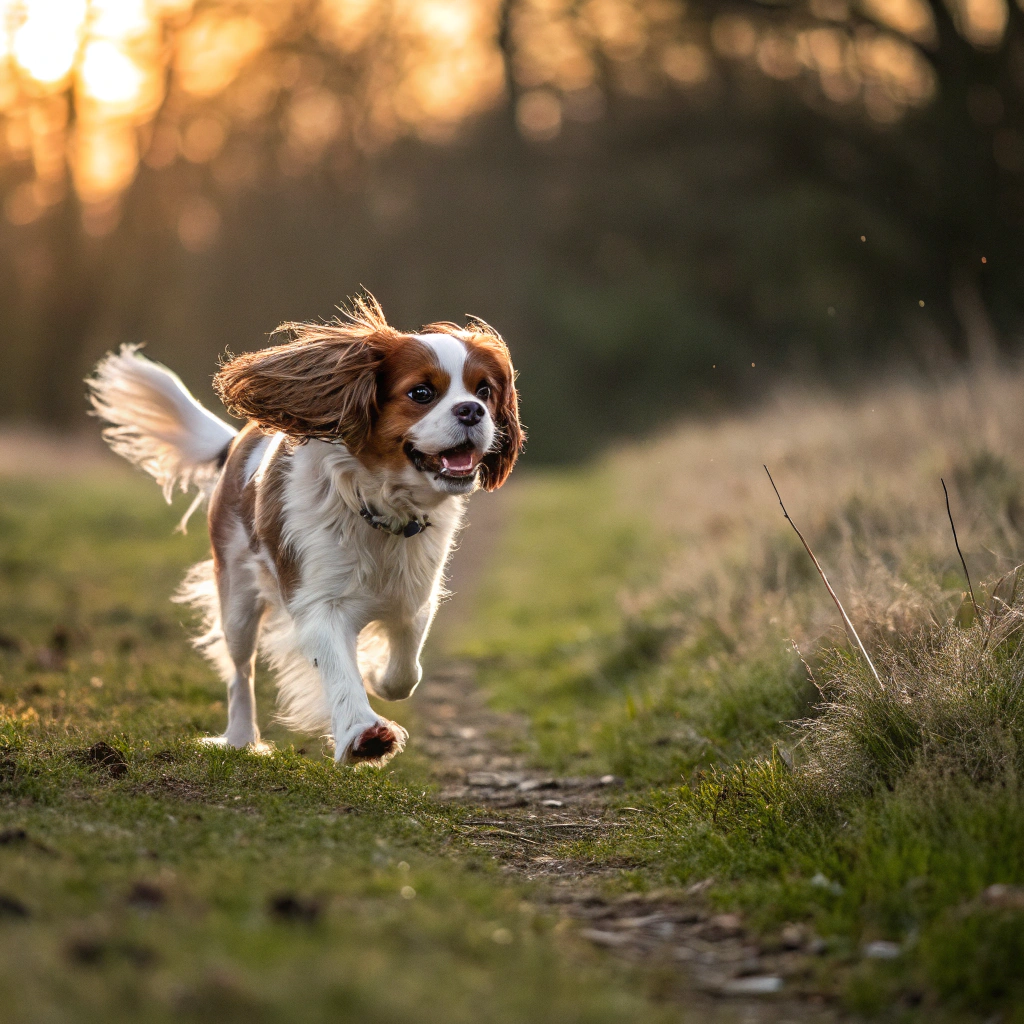
The Cavalier King Charles Spaniel is the epitome of a companion dog—sweet-natured, affectionate, and endlessly devoted to their humans. Named after King Charles II of England, who was so obsessed with these little spaniels that he supposedly neglected his royal duties, Cavaliers (13-18 pounds) are gentle, adaptable dogs who excel at being lap warmers and emotional support companions. Their large, soulful eyes and silky, flowing coat make them irresistibly cuddly. Cavaliers are wonderful with children, other dogs, and even cats, making them excellent family pets. They're moderately active, happy with daily walks and play sessions, but equally content to spend hours snuggling on the couch. Their affectionate nature is both their greatest strength and a potential challenge—they don't do well being left alone for long periods and can develop severe separation anxiety. If you want a gentle, loving companion who's equally happy on adventures or cuddles, gets along with everyone, and seems to exist purely to love and be loved, a Cavalier is perfect. Be aware of health concerns: they're prone to heart issues, so reputable breeders who health-test are essential. They need regular grooming, moderate exercise, and lots of human companionship—they're truly velcro dogs who want to be wherever you are.
Size
small
Life Span
10-14 years
Personality Traits
Cavalier King Charles Spaniel
Quick Stats Overview
Cavapoo
About
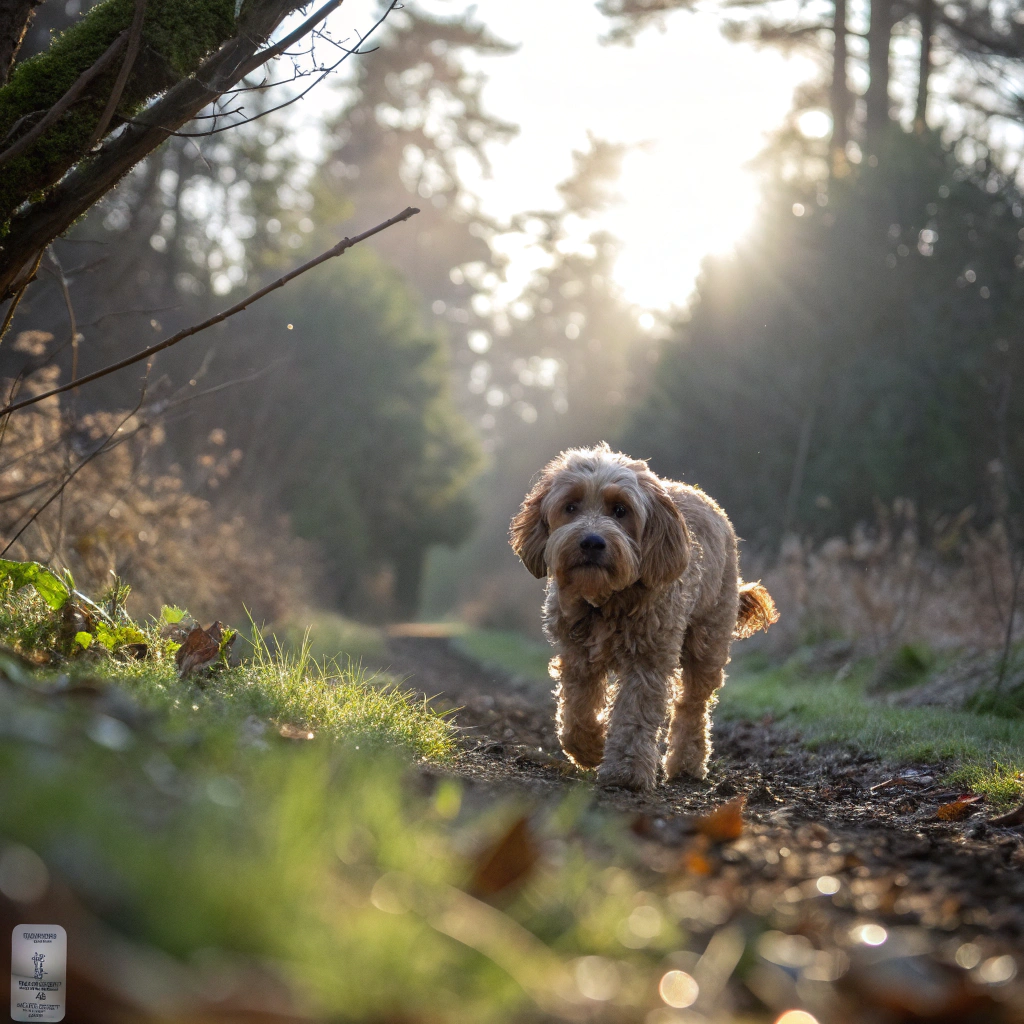
The Cavapoo is a popular designer crossbreed created by mixing Cavalier King Charles Spaniels with Poodles (usually Miniature or Toy varieties), intentionally developed to combine the Cavalier's affectionate nature with the Poodle's low-shedding coat. This hybrid breed emerged in Australia in the 1990s as part of the designer dog movement. Cavapoos typically stand 9-14 inches tall and weigh 12-25 pounds depending on the Poodle parent's size. Their appearance varies even within litters, but most have soft, wavy to curly coats that can be cream, gold, chocolate, black, or parti-colored. Cavapoos have rounded faces, expressive eyes, and floppy ears that give them perpetually sweet expressions. Being a crossbreed, traits can vary—some favor Cavalier characteristics while others lean toward Poodle traits. Most Cavapoos have low-shedding coats requiring regular grooming and professional trimming every 6-8 weeks. They typically inherit the Cavalier's gentle face and the Poodle's intelligence. These companion dogs are bred primarily for temperament and hypoallergenic coats rather than working ability. As designer dogs, they're not recognized by major kennel clubs but are hugely popular as family companions.
Size
small
Life Span
10-14 years
Personality Traits
Cavapoo
Quick Stats Overview
Chihuahua
About
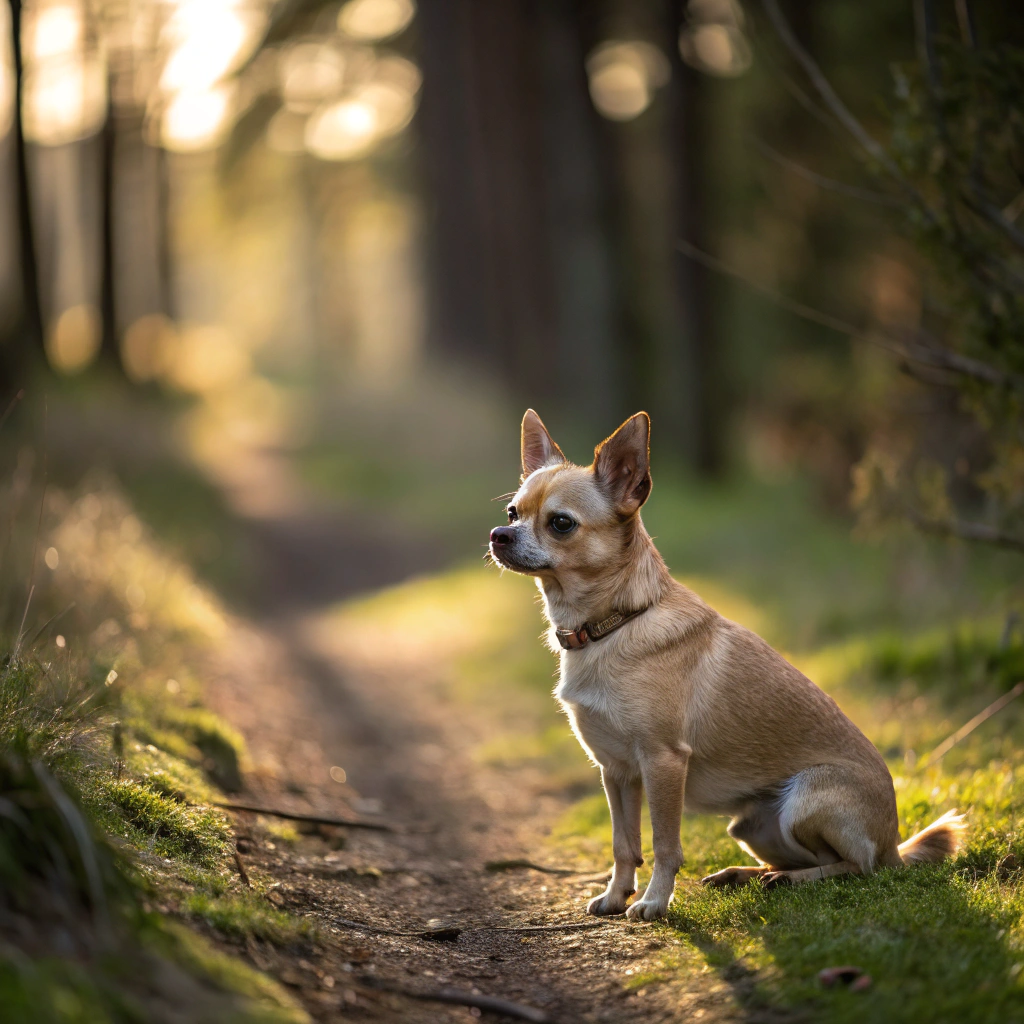
The Chihuahua is the world's smallest dog breed, originating from Mexico with ancestry possibly tracing back to the ancient Techichi dogs kept by Toltec and Aztec civilizations. Named after the Mexican state of Chihuahua where they were discovered in the mid-1800s, these tiny dogs became popular in the United States in the early 1900s. Standing just 5-8 inches tall and weighing 2-6 pounds, Chihuahuas are tiny yet surprisingly sturdy. They come in two coat varieties: smooth (short and glossy) and long (soft with feathering on ears, legs, and tail). Chihuahuas have distinctive apple-shaped or deer-shaped heads, large, luminous eyes that convey remarkable expression, and large, erect ears that are their hallmark feature. They come in virtually any color or pattern including fawn, black, white, chocolate, cream, and combinations. Despite their tiny size, they have well-proportioned, compact bodies. Long-coated Chihuahuas have soft, flat or slightly wavy coats. Their molera (soft spot on the skull) is characteristic of the breed, similar to human babies. Chihuahuas have saucy expressions and carry themselves with confidence. These portable companions require minimal exercise but don't tolerate cold well, often needing sweaters in cooler weather.
Size
small
Life Span
12-16 years
Personality Traits
Chihuahua
Quick Stats Overview
Cockapoo
About
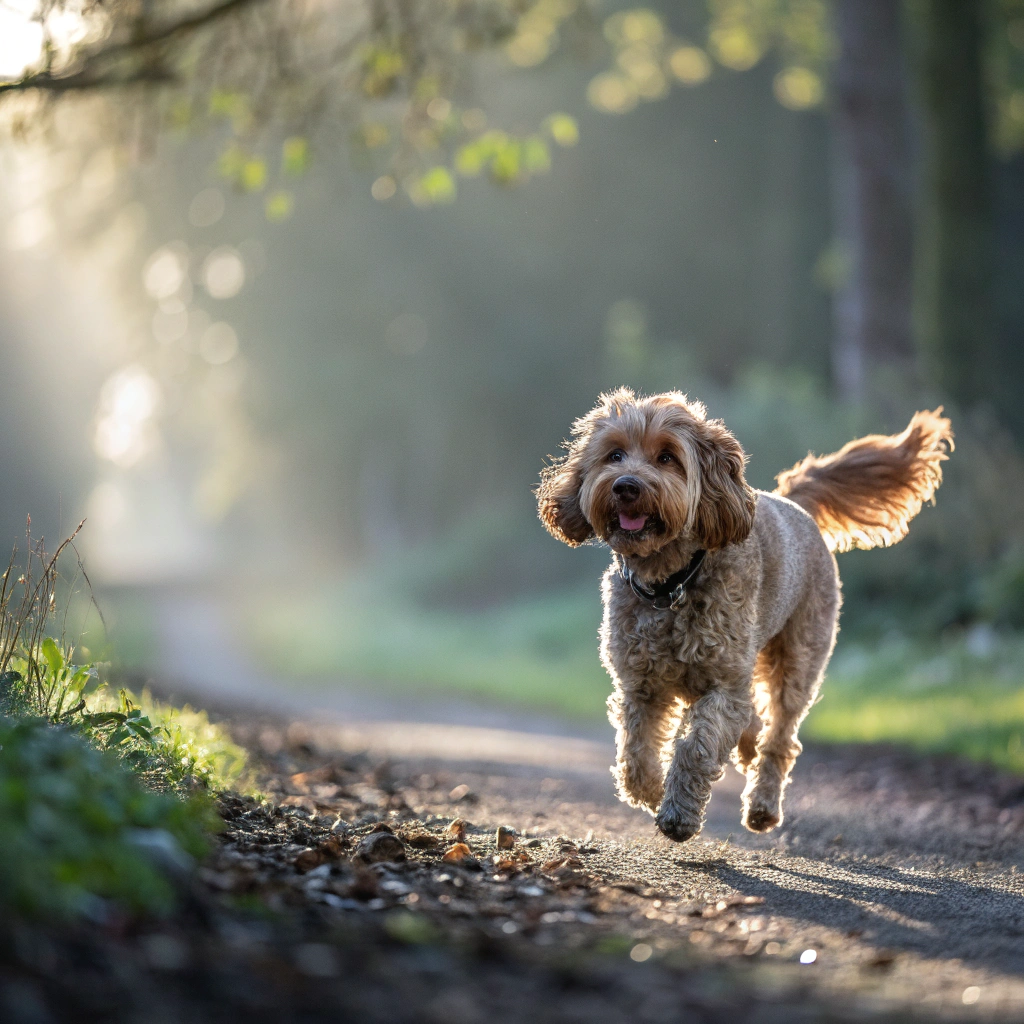
The Cockapoo is one of the first designer crossbreeds, created by mixing Cocker Spaniels with Poodles (typically Miniature or Toy varieties) beginning in the 1960s, predating most other designer dog breeds. Breeders aimed to combine the Cocker's gentle temperament with the Poodle's intelligence and low-shedding coat. Cockapoos typically stand 10-15 inches tall and weigh 12-24 pounds, though size varies depending on parent breeds. Their appearance varies even within litters, but most have soft, wavy to curly coats in colors including buff, black, chocolate, red, white, or parti-colored patterns. Cockapoos have expressive faces, often with the Cocker's soulful eyes and the Poodle's intelligent expression. Their ears are floppy and typically covered with soft, wavy fur. Being a crossbreed, traits vary—some favor Cocker characteristics while others lean toward Poodle traits. Most Cockapoos have low to moderate shedding coats requiring regular grooming and trimming every 6-8 weeks to prevent matting. They combine the Cocker's gentle nature with Poodle intelligence. These companion dogs are bred for temperament and coat quality rather than specific working traits. Cockapoos aren't recognized by major kennel clubs but remain popular as family companions.
Size
small
Life Span
10-14 years
Personality Traits
Cockapoo
Quick Stats Overview
Coton de Tulear
About
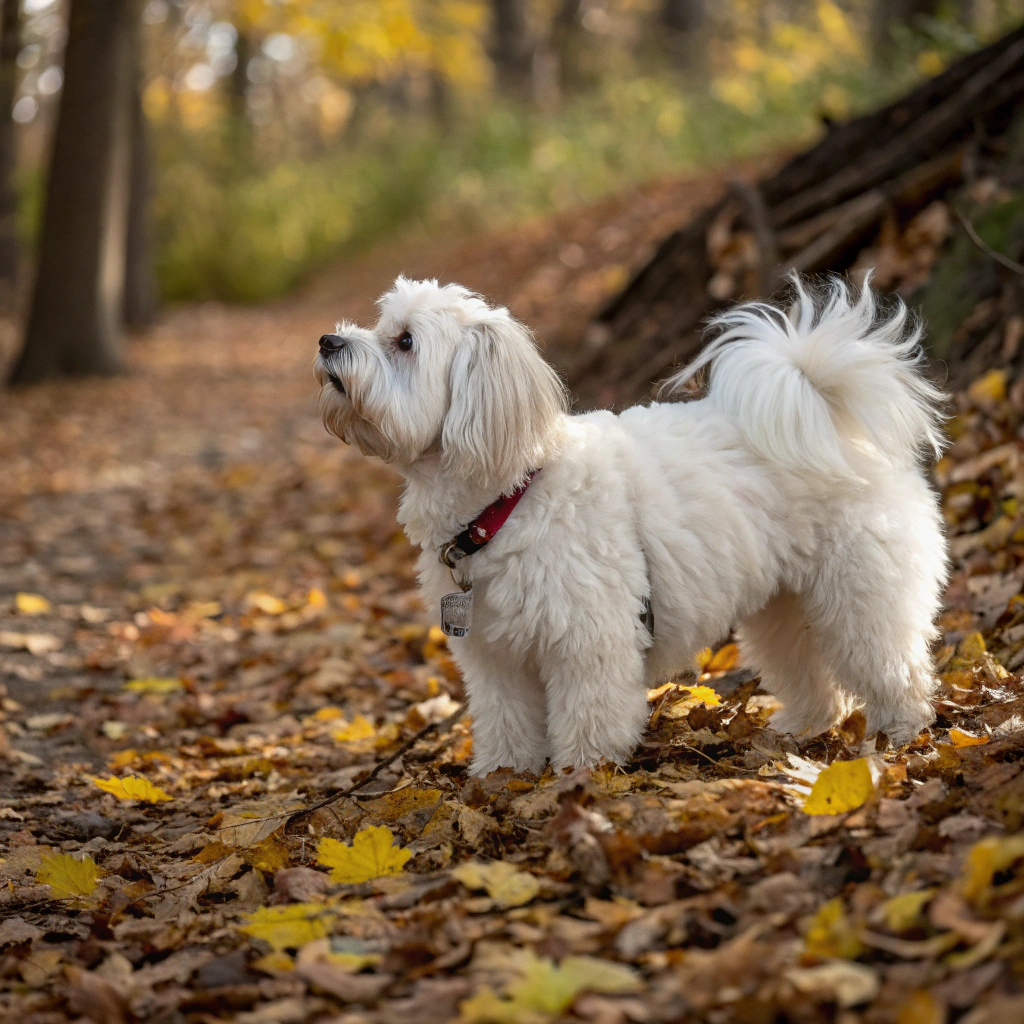
The Coton de Tulear is a small, charming breed from Madagascar, developed as companions for nobility and wealthy merchants in the port city of Tulear. Their name comes from their cotton-like coats and the city of Tulear. These dogs likely descended from small white dogs brought by sailors, possibly Bichon-type dogs, that developed into a distinct breed over centuries. Standing 9-11 inches tall and weighing 8-15 pounds, Cotons are small but sturdy companion dogs. Their most distinctive feature is their long, soft, cotton-like coat that's white or white with champagne, gray, or tri-color markings. Unlike most breeds, their coats have a dry, cotton texture rather than silky feel. Cotons have large, round, dark eyes that convey intelligence and cheerfulness, triangular drop ears, and black noses. Their tails are carried gaily over backs. These companion dogs have slightly longer bodies than height, with level toplines. Cotons' coats don't shed significantly but require regular grooming to prevent matting. Their white coats can yellow in some areas, particularly around the mouth. The breed nearly became extinct outside Madagascar but was preserved and popularized internationally in the late 20th century.
Size
small
Life Span
10-14 years
Personality Traits
Coton de Tulear
Quick Stats Overview
Curly-Coated Retriever
About
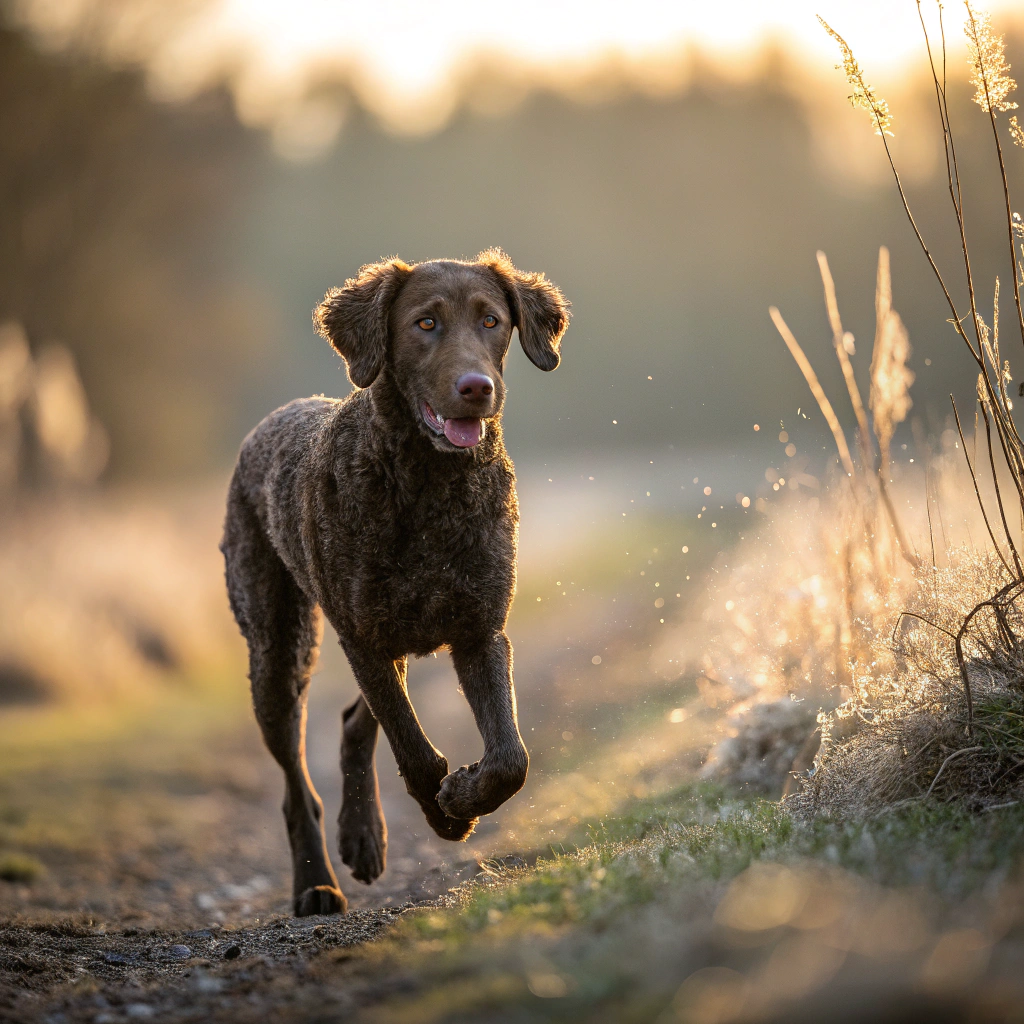
The Curly-Coated Retriever is one of the oldest retriever breeds, developed in England as early as the 18th century for retrieving waterfowl. Likely descended from now-extinct English Water Spaniels, Retrieving Setters, and later crossed with Poodles and Irish Water Spaniels, creating their distinctive curly coat. Standing 23-27 inches tall and weighing 60-95 pounds, these athletic retrievers are slightly taller and more elegant than other retriever breeds. Their most distinctive feature is their tight, water-resistant curly coat covering the entire body except the face and front of legs. Coats are black or liver colored with small, crisp curls creating a textured appearance. Curly-Coated Retrievers have wedge-shaped heads, long muzzles, and almond-shaped eyes conveying intelligence. Their ears are small and lie close to heads. These retrievers have long, strong necks, deep chests, and powerful hindquarters built for swimming and endurance. Their tails are straight, covered with curls, and carried fairly straight. The curly coat provides insulation and water protection without requiring extensive grooming—they're relatively low-maintenance for retrievers. These elegant dogs maintain strong hunting instincts and excel in field trials.
Size
medium
Life Span
10-14 years
Personality Traits
Curly-Coated Retriever
Quick Stats Overview
Dandie Dinmont Terrier
About
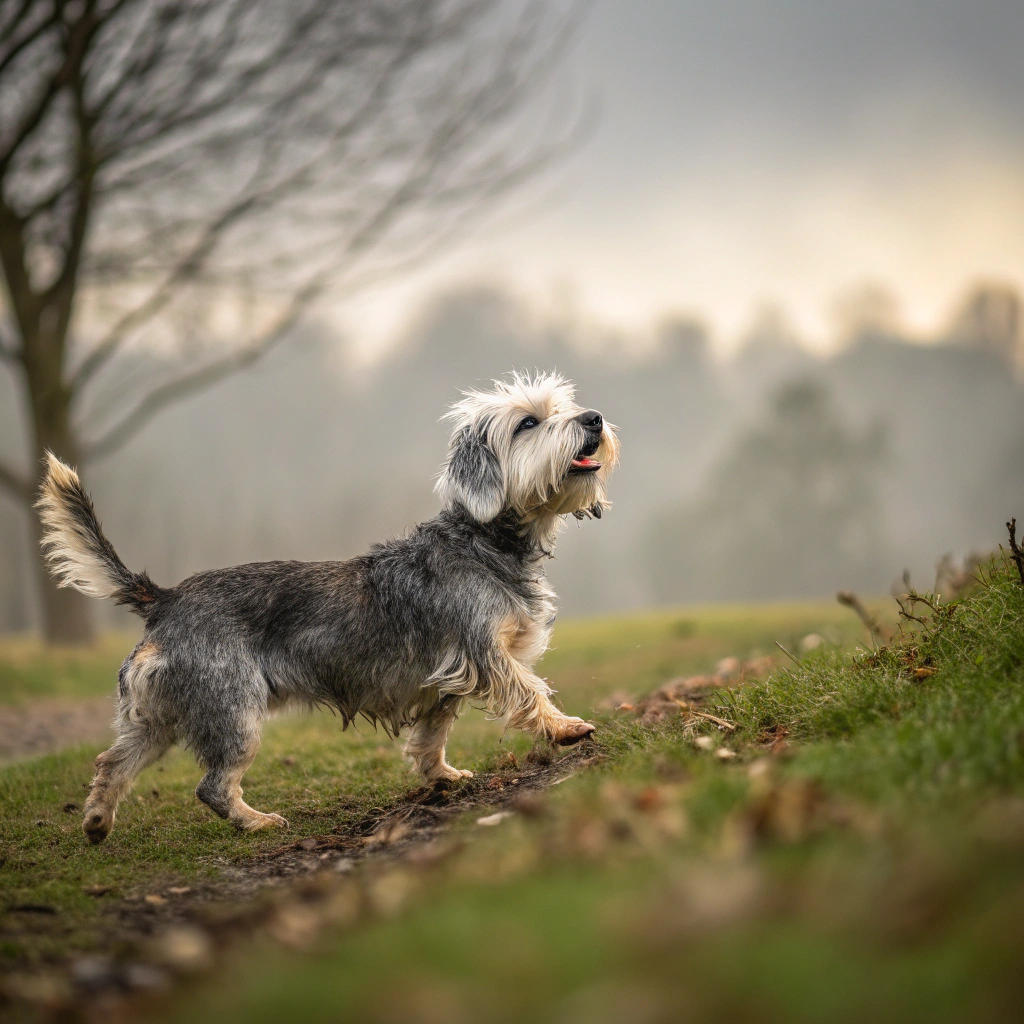
The Dandie Dinmont Terrier is a distinctive Scottish breed developed in the 1600s along the border between England and Scotland for hunting otters and badgers. Named after a character in Sir Walter Scott's novel "Guy Mannering," published in 1814. Standing 8-11 inches tall and weighing 18-24 pounds, Dandies are small but surprisingly substantial terriers. Their most distinctive feature is their unique silhouette: long, low bodies with curved toplines, large, domed heads topped with distinctive "topknots" of soft, silky hair, and large, soulful eyes. Dandie Dinmont Terriers have distinctive coat colors called "pepper" (dark bluish-black to pale silvery gray) or "mustard" (reddish-brown to pale fawn). Their coats are about 2 inches long with mixture of hard and soft hair, crisp to touch but not wiry. They have long, pendulous ears set low and hanging close to cheeks, covered with soft, silky hair. Dandies have short, muscular legs with large, well-padded feet. Their tails are thick at base, tapering to point, carried slightly curved. These unique terriers have arched backs creating distinctive profiles. The breed requires regular grooming including hand-stripping to maintain proper coat texture.
Size
small
Life Span
10-14 years
Personality Traits
Dandie Dinmont Terrier
Quick Stats Overview
Doberman Pinscher
About
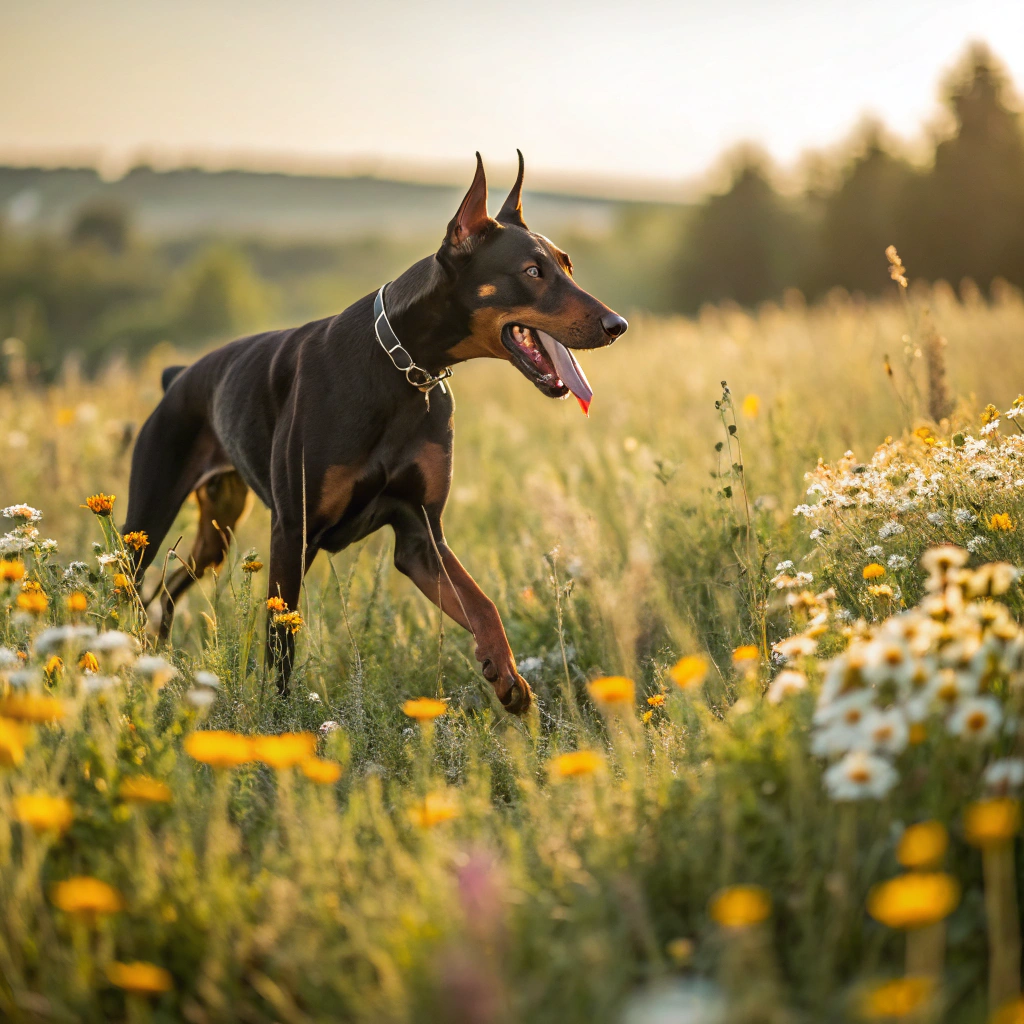
The Doberman Pinscher is the ultimate protection dog—sleek, powerful, and intelligent, developed in Germany in the late 1800s by tax collector Louis Dobermann who wanted a loyal guard dog for his dangerous work. These athletic dogs (60-100 pounds) combine strength, speed, and trainability with unwavering loyalty to their families. Despite their intimidating reputation, well-bred and properly socialized Dobermans are affectionate family companions who are remarkably gentle with children they know and trust. Dobermans are highly intelligent and trainable, excelling in police work, military service, and dog sports. They need substantial daily exercise—at least an hour of vigorous activity—plus mental stimulation to prevent boredom. An under-exercised Doberman can become destructive or develop behavioral issues. They form intense bonds with their families and don't do well being left alone for long periods or relegated to backyard living—they need to be part of family life. If you're an active, experienced owner who wants an athletic, intelligent guardian and companion, can provide extensive exercise and training, and appreciate a dog who's both protective and affectionate, a Doberman is excellent. They need early socialization, consistent leadership (without harsh methods), and aren't suitable for first-time owners or sedentary lifestyles—but they offer unmatched loyalty, intelligence, and versatility.
Size
large
Life Span
10-14 years
Personality Traits
Doberman Pinscher
Quick Stats Overview
English Foxhound
About
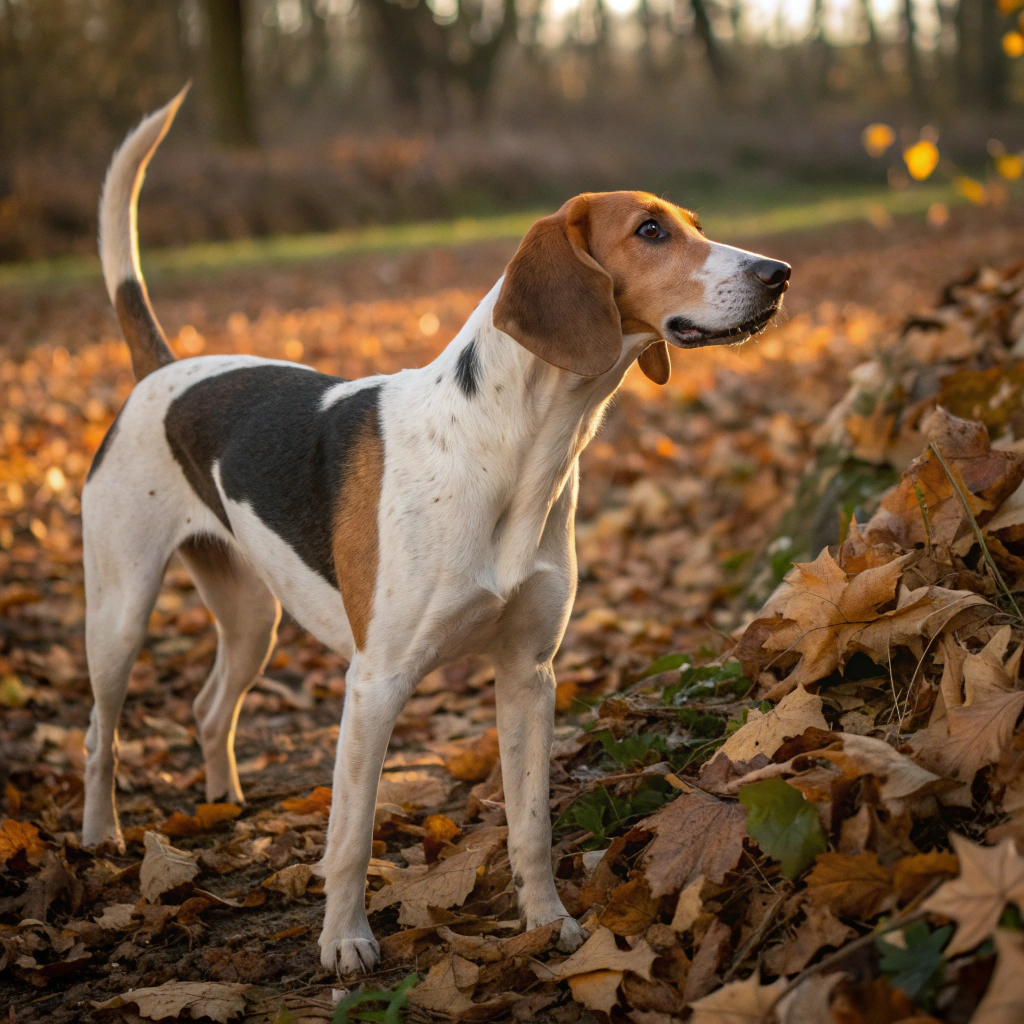
The English Foxhound is a traditional British breed developed specifically for fox hunting, with documented history dating back to the late 1500s. These pack hounds were carefully bred by hunt kennels to work together pursuing foxes across the English countryside. Standing 23-25 inches tall and weighing 60-75 pounds, English Foxhounds are substantial, athletic dogs built for endurance. They have characteristic hound features: large, low-set ears hanging close to their heads, gentle expressions from kind eyes, and slightly domed skulls. English Foxhounds have short, dense, weatherproof coats coming in classic hound colors including tri-color (black, tan, and white), tan and white, or lemon and white. They have straight, powerful legs, deep chests for lung capacity, and muscular bodies conveying strength and stamina. Their feet are round and cat-like with thick pads. English Foxhounds have level toplines and straight tails carried gaily. These pack hounds have melodious voices used for communication during hunts. They're slightly stockier and less rangy than American Foxhounds, built for the rolling English terrain. English Foxhounds remain primarily working dogs in Britain, with relatively few kept solely as companions.
Size
medium
Life Span
10-14 years
Personality Traits
English Foxhound
Quick Stats Overview
Flat-Coated Retriever
About
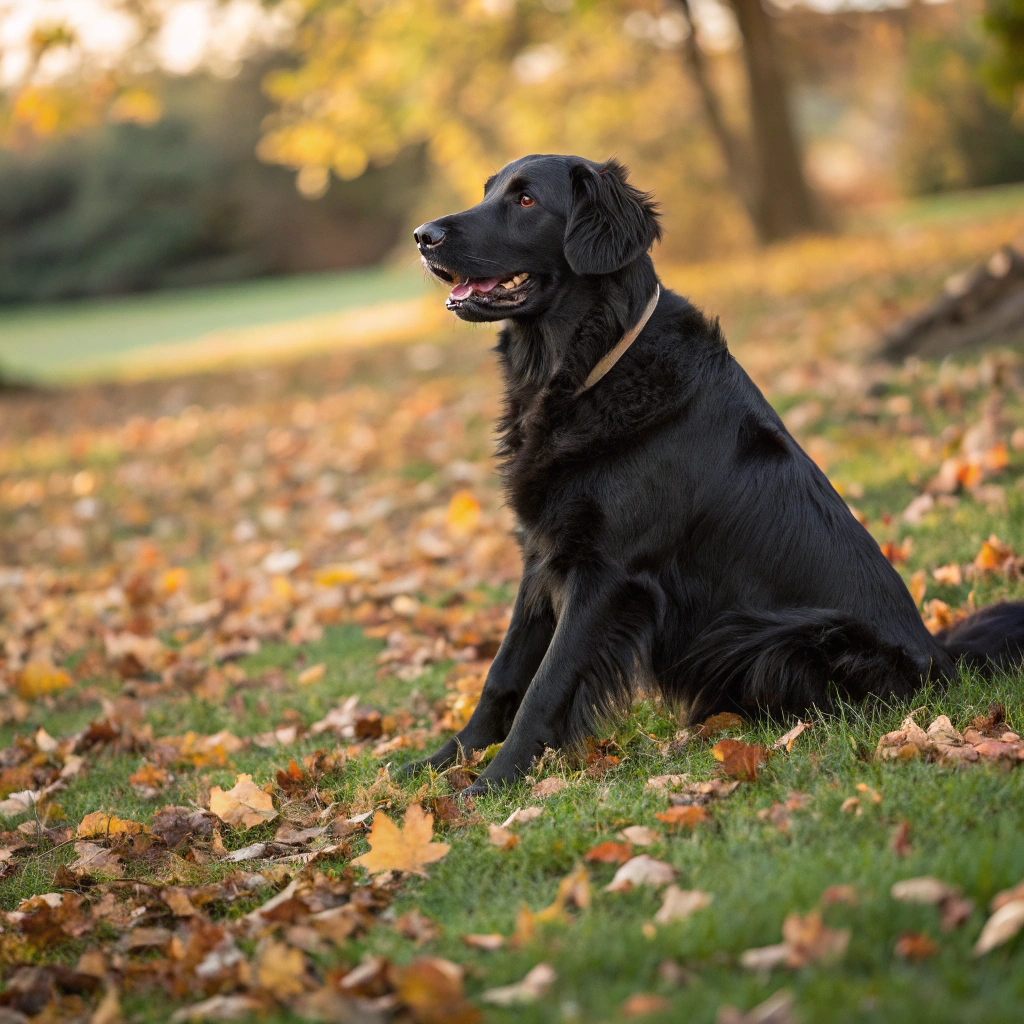
The Flat-Coated Retriever is a British gundog breed developed in the mid-1800s for retrieving game from land and water. Created by crossing St. John's Dogs (early Labradors) with setters and possibly collies, producing elegant, enthusiastic retrievers. Standing 22-24 inches tall and weighing 55-70 pounds, Flat-Coats are elegant, athletic retrievers with moderate bone. Their most distinctive feature is their sleek, flat-lying coat that's moderately long, dense, and lustrous, coming in solid black or liver colors. Flat-Coated Retrievers have refined, well-molded heads described as "one-piece" without abrupt angles, with kind, intelligent expressions. They have small, well-set ears lying close to heads, dark brown or hazel eyes, and slightly curved tails carried happily but never curled. These retrievers have long, well-arched necks, deep chests, and strong, muscular bodies built for swimming and endurance. Their coats have feathering on chest, backs of legs, and underside of tail. Flat-Coats are lighter and more elegant than Golden or Labrador Retrievers. They excel in field trials and remain capable working gundogs. The breed nearly became extinct after World War II but dedicated breeders preserved these enthusiastic retrievers.
Size
medium
Life Span
10-14 years
Personality Traits
Flat-Coated Retriever
Quick Stats Overview
German Pinscher
About
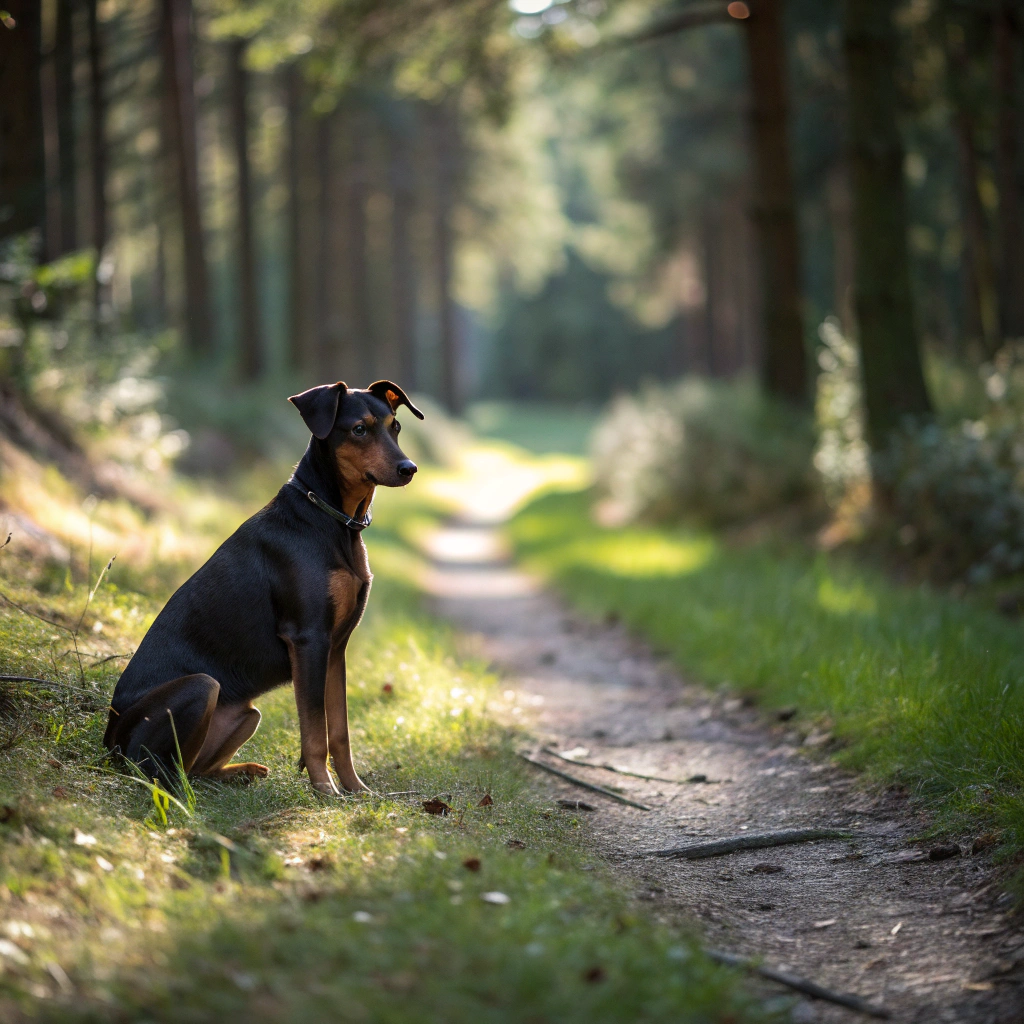
The German Pinscher is a medium-sized German breed developed in the late 1700s as versatile farm dogs, serving as ratters, watchdogs, and companions. They're ancestors of both Miniature Pinschers and Doberman Pinschers. Standing 17-20 inches tall and weighing 25-45 pounds, German Pinschers are muscular, elegant dogs with moderate bone. They have short, dense, glossy coats coming in fawn to red, black and rust, or solid black. German Pinschers have elongated, wedge-shaped heads without excessive stop, oval eyes conveying intelligence and alertness, and high-set ears that are cropped or natural (folded). Their bodies are square and compact with well-developed chests and strong, straight backs. These dogs have high-set tails traditionally docked but increasingly left natural. German Pinschers have clean, refined lines without loose skin or wrinkles. Their movement is efficient and ground-covering with strong rear drive. These versatile dogs are athletic and agile, capable of impressive speed and jumping. The breed nearly became extinct after World War II, saved by a single German breeder who rebuilt the population. German Pinschers remain relatively rare compared to their descendants.
Size
medium
Life Span
10-14 years
Personality Traits
German Pinscher
Quick Stats Overview
German Shorthaired Pointer
About
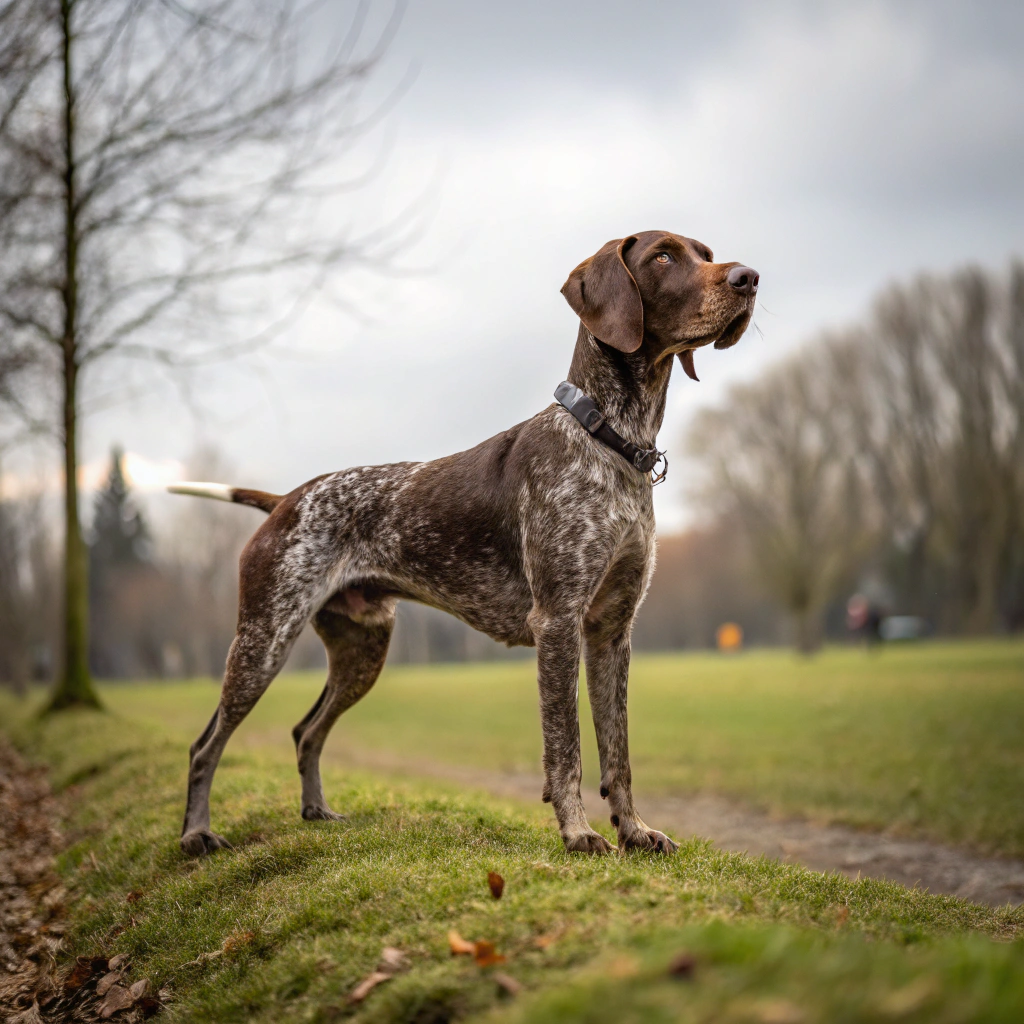
The German Shorthaired Pointer is a versatile German gundog developed in the 1800s to be all-purpose hunting dogs capable of pointing, retrieving, and tracking various game. Created by crossing German bird dogs with pointers and possibly foxhounds, producing athletic, intelligent hunters. Standing 21-25 inches tall and weighing 45-70 pounds, GSPs are medium to large sporting dogs built for endurance and speed. Their distinctive short, dense coats are water-repellent and come in solid liver, liver and white spotted, liver and white ticked, or liver roan patterns. German Shorthaired Pointers have noble, aristocratic heads, brown almond-shaped eyes conveying intelligence, and broad, high-set ears lying flat against heads. They have clean-cut heads without loose skin, strong muzzles, and dark noses. These pointers have powerful, muscular bodies with deep chests, level backs, and high-set tails traditionally docked to 40% of original length but increasingly left natural. GSPs have webbed feet aiding swimming. Their movement is smooth, ground-covering, and efficient. These versatile dogs excel in field trials, hunt tests, and as family companions, demonstrating remarkable adaptability.
Size
medium
Life Span
10-14 years
Personality Traits
German Shorthaired Pointer
Quick Stats Overview
Golden Retriever
About
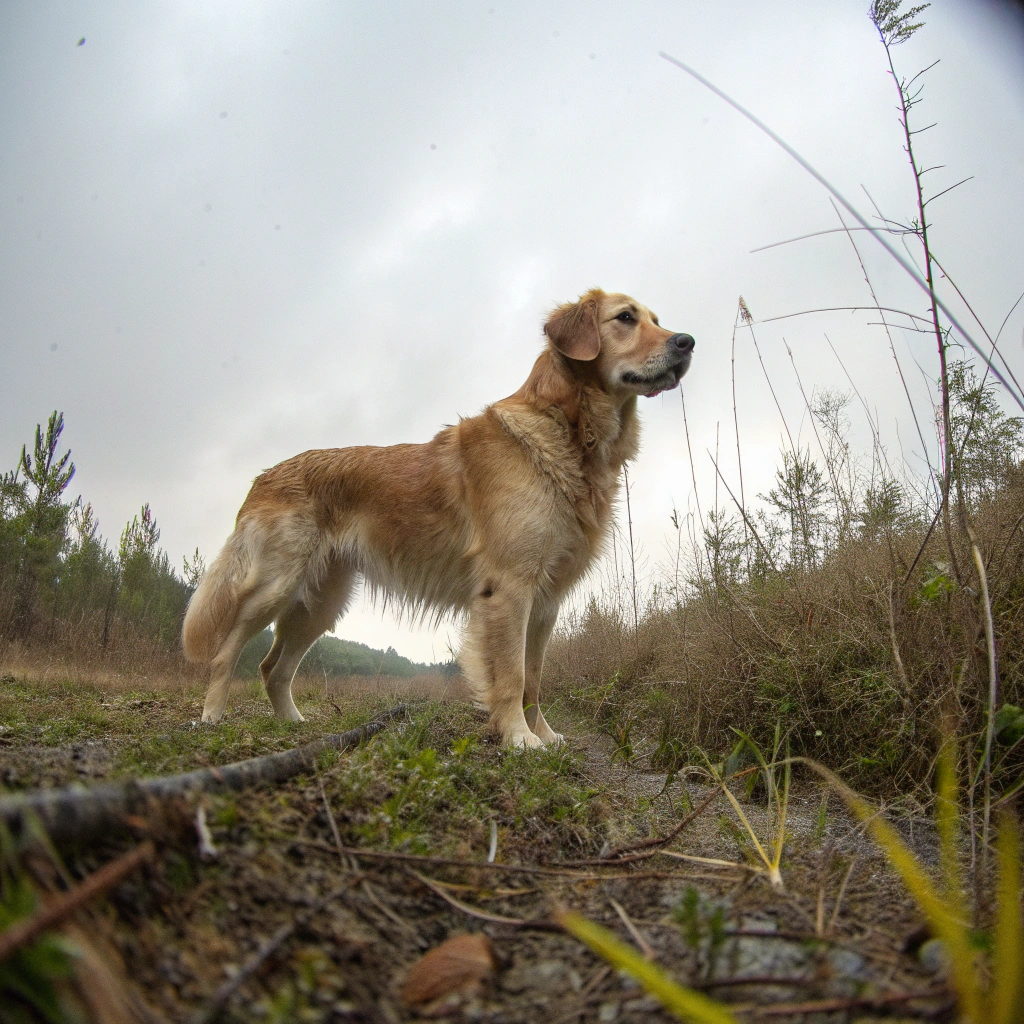
If dogs had a "most likely to be everyone's best friend" superlative, the Golden Retriever would win unanimously. Developed in 19th-century Scotland to retrieve waterfowl for hunters, these gentle, intelligent dogs have evolved into one of the world's most beloved family companions, therapy dogs, and service animals. Goldens are the eternal optimists of the dog world—they greet each day (and each person) with boundless enthusiasm and a wagging tail, maintaining their goofy, puppy-like personality well into adulthood. They need substantial daily exercise (at least an hour of vigorous activity), love water and fetching games, and will happily carry random objects in their mouths throughout the day. Fair warning: they shed constantly, require lots of social interaction (loneliness is their kryptonite), and make terrible guard dogs because they'll probably invite burglars in for belly rubs. But for active families who want an endlessly affectionate, patient, and joyful companion who'll enthusiastically join every adventure, it's hard to beat a Golden Retriever.
Size
medium
Life Span
10-14 years
Personality Traits
Golden Retriever
Quick Stats Overview
Gordon Setter
About
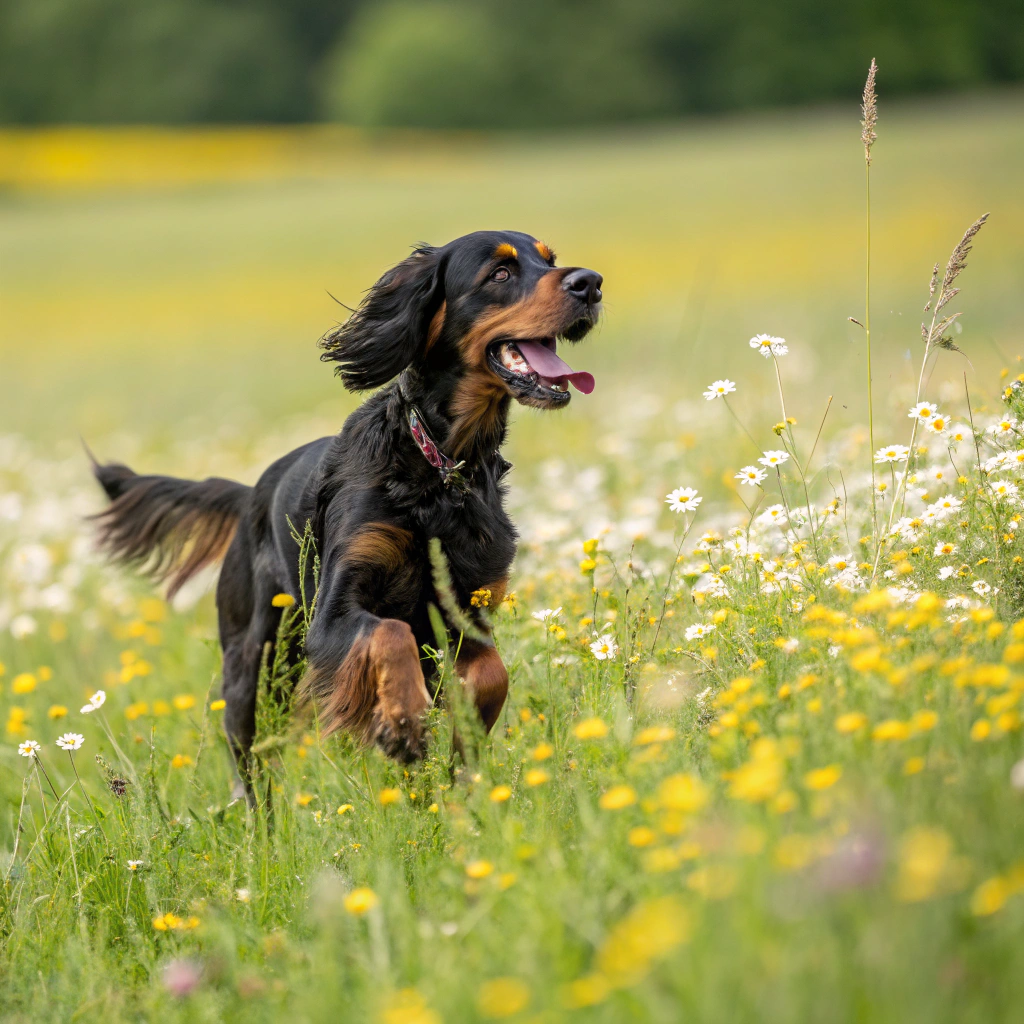
The Gordon Setter is the largest and most substantial of the setter breeds, developed in Scotland in the early 1600s, refined by the Duke of Gordon in the late 1700s at Gordon Castle. These black and tan setters were bred for hunting game birds in the rugged Scottish Highlands. Standing 23-27 inches tall and weighing 45-80 pounds, Gordon Setters are substantial sporting dogs with elegant, powerful builds. Their most distinctive feature is their rich coloration: coal-black coats with clearly defined chestnut or mahogany markings on legs, chest, throat, and above eyes. Gordon Setters have long, silky coats with feathering on ears, chest, belly, backs of legs, and plumed tails. They have large, intelligent, dark brown eyes conveying gentle expressions, moderately deep-set ears hanging close to heads, and clearly defined heads. These setters have deep chests, strong backs, and muscular hindquarters built for endurance in rough terrain. Their tails are short compared to other setters, carried horizontally or slightly downward. Gordon Setters have characteristic setter "setting" behavior, freezing and pointing when locating game. They're slower but more methodical than other setter breeds. These substantial dogs excel in field trials and maintain strong hunting instincts.
Size
medium
Life Span
10-14 years
Personality Traits
Gordon Setter
Quick Stats Overview
Great Dane
About
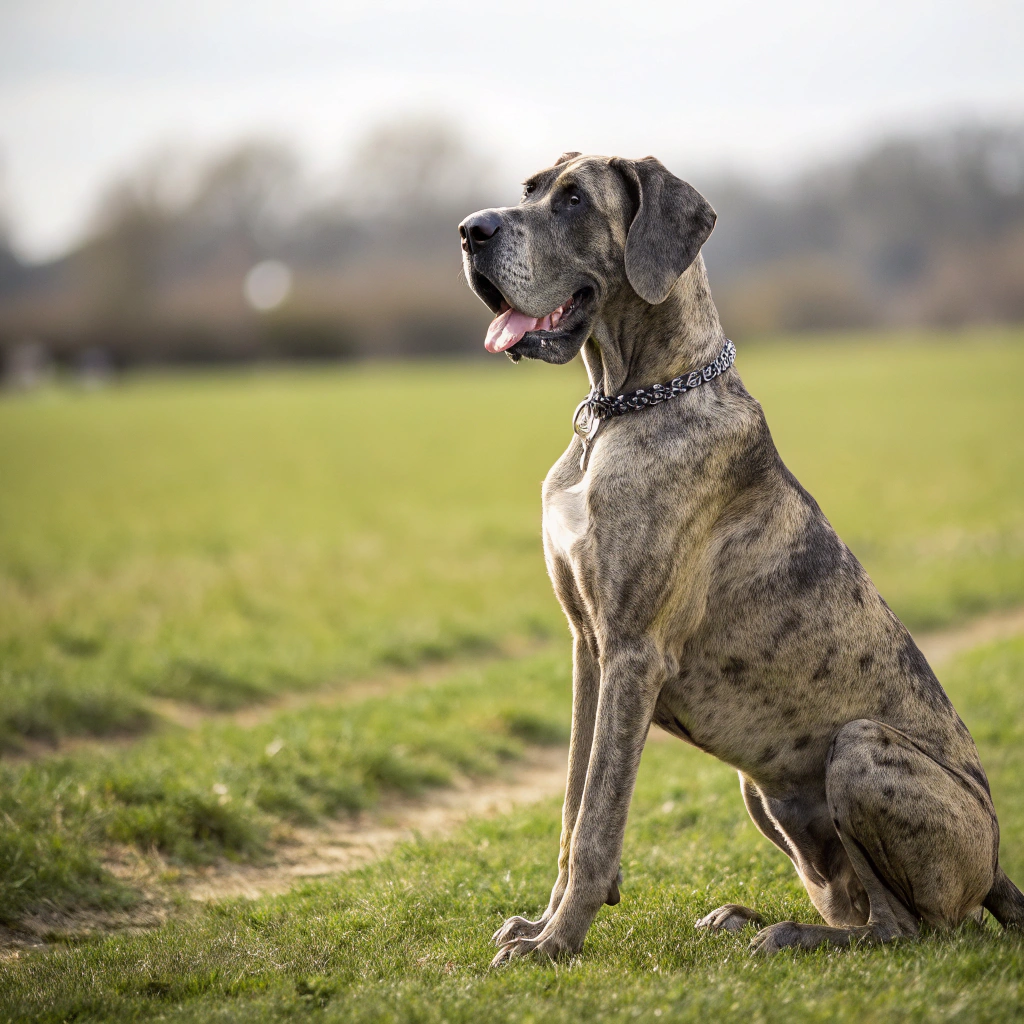
The Great Dane is the "Apollo of Dogs"—a gentle giant who can weigh 100-175 pounds and stand over 30 inches tall, yet somehow believes they're a lap dog. Originally bred in Germany to hunt wild boar and guard estates, modern Great Danes are known more for their sweet, affectionate temperament than their hunting prowess. These massive dogs move through life with surprising grace, though their enthusiastic tail wags can clear coffee tables. Great Danes are people-oriented homebodies who form deep bonds with their families and often develop separation anxiety if left alone too long. Despite their imposing size, they're generally gentle with children and other pets, though their sheer bulk means supervision is necessary. They need moderate daily exercise but aren't marathon runners—short walks and play sessions suit them fine. Their large size comes with shorter lifespans (7-10 years) and increased risk of health issues like bloat, heart disease, and joint problems. If you have space for a small horse, can handle drool, and want a devoted gentle giant who thinks they're a lap dog, a Great Dane offers unmatched affection. Just prepare for enormous food bills, expensive vet care, and a dog who'll lean their entire weight against you while demanding cuddles. They're not suitable for small homes or those unable to manage a powerful, large dog.
Size
large
Life Span
8-12 years
Personality Traits
Great Dane
Quick Stats Overview
Ibizan Hound
About
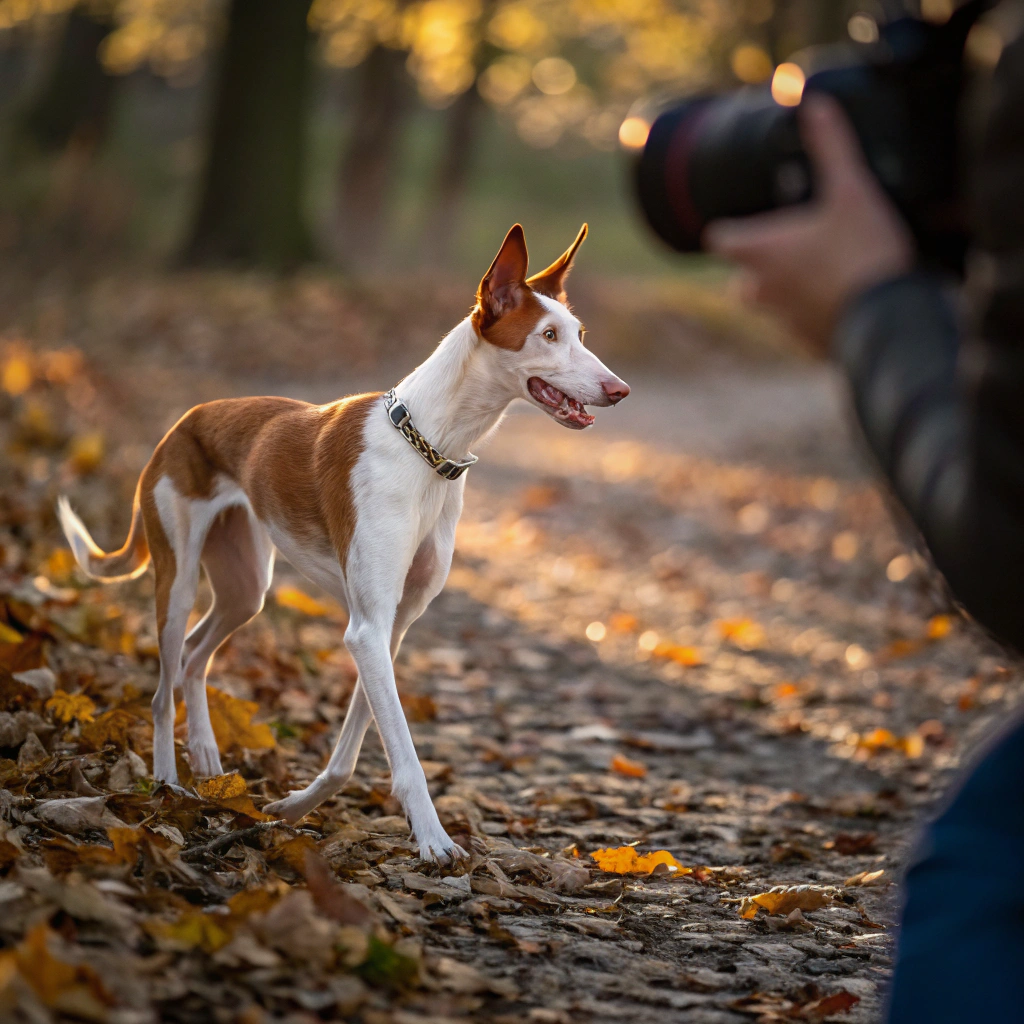
The Ibizan Hound is an ancient sighthound breed originating from the Balearic Islands off Spain, particularly Ibiza, with ancestry possibly dating back 5,000 years to ancient Egypt. These elegant hounds were bred for hunting rabbits and small game using sight, scent, and hearing. Standing 22-28 inches tall and weighing 45-50 pounds, Ibizans are tall, elegant dogs with graceful, deer-like builds. They come in two coat varieties: smooth (short and dense) or wire (1-3 inches long and harsh). Ibizan Hounds have distinctive large, erect ears that stand upright when alert and can be over 3 inches at base. Their most striking features include amber eyes, flesh-colored or liver noses, and elegant, elongated heads. Coats come in white, red (ranging from light to deep), or combinations of white and red. These hounds have long, arched necks, deep chests, level backs, and long, low-set tails. Their movement is efficient and ground-covering with an easy, suspended gait. Ibizan Hounds are remarkable jumpers, able to leap from standing positions to impressive heights. They have clean, refined lines without excess skin or wrinkles. These ancient dogs retain primitive characteristics and independent natures.
Size
medium
Life Span
10-14 years
Personality Traits
Ibizan Hound
Quick Stats Overview
Italian Greyhound
About
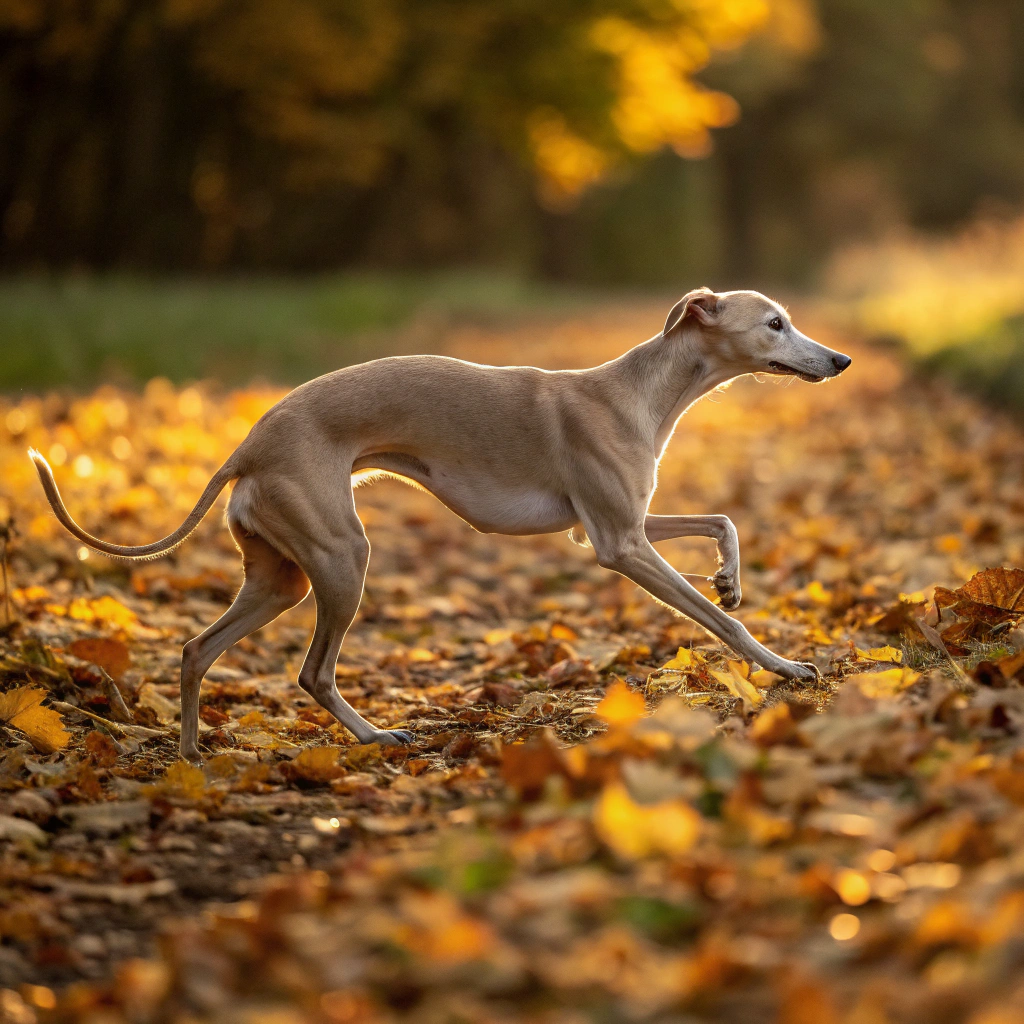
The Italian Greyhound is a miniature sighthound with ancient roots, likely developed over 2,000 years ago in regions around the Mediterranean. These tiny hounds appear in Renaissance artwork, treasured by European nobility. Standing 13-15 inches tall and weighing just 7-14 pounds, Italian Greyhounds are the smallest of the sighthound family. They have elegant, refined builds with long, slender legs, deep, narrow chests, and arched backs. Italian Greyhounds have smooth, fine coats requiring minimal grooming, coming in various colors including gray, fawn, red, blue, cream, white, or combinations. Their most distinctive features include extremely slender builds, elegant, long necks, and small, delicate heads with rose-shaped ears. They have large, dark, expressive eyes conveying sensitivity. These miniature greyhounds have high-set, thin tails that curve slightly. Their movement is high-stepping and elegant with considerable speed for their size. Italian Greyhounds are athletic and can run up to 25 mph despite tiny size. They're remarkably fragile with thin bones that break easily, requiring careful handling. These elegant dogs are clean and cat-like, often reluctant to go outside in bad weather. Despite appearing delicate, they're playful and energetic.
Size
medium
Life Span
10-14 years
Personality Traits
Italian Greyhound
Quick Stats Overview
Lowchen
About
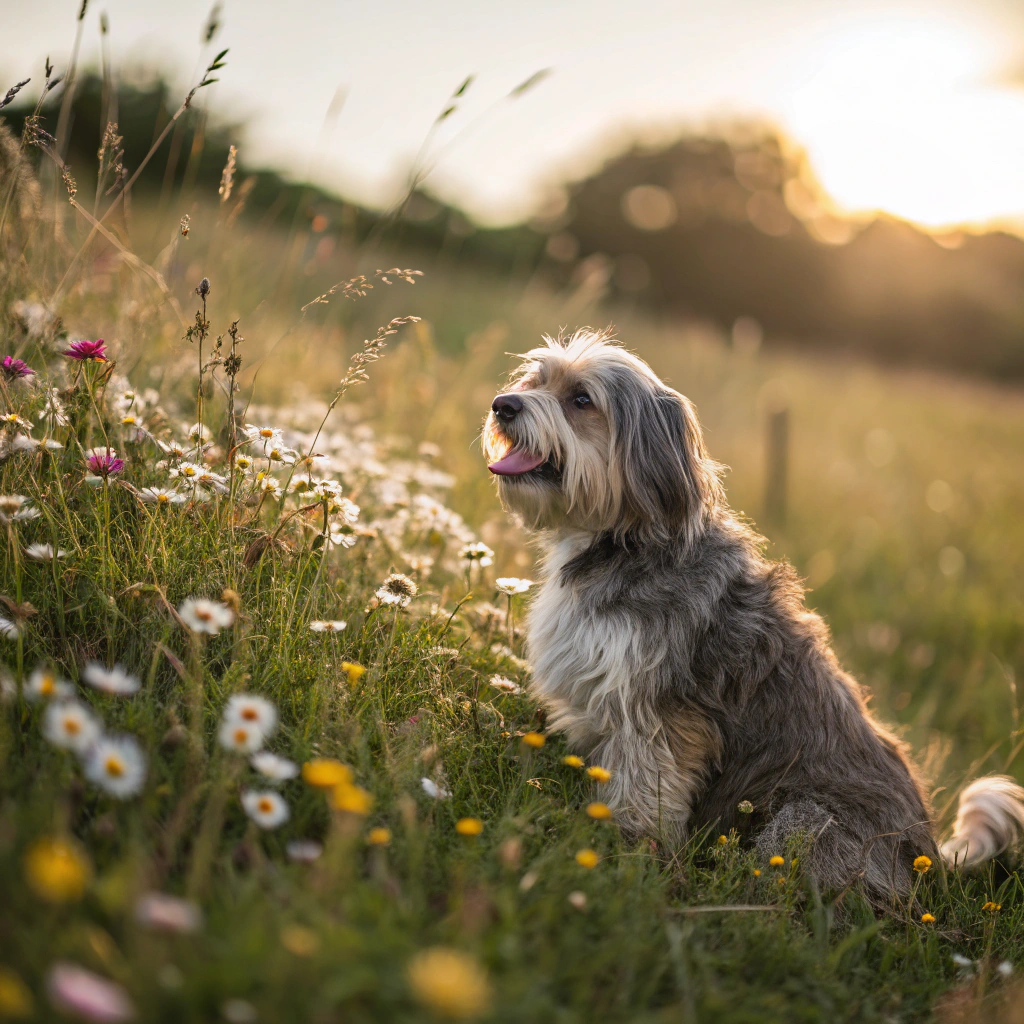
The Lowchen, known as the "Little Lion Dog," is a rare European breed with history dating back to Renaissance times, appearing in artwork from the 1500s. Despite the name, they have no actual lion heritage—they're named for their traditional lion clip. Standing 12-14 inches tall and weighing 10-18 pounds, Lowchens are small, sturdy dogs with compact, well-proportioned builds. Their most distinctive feature is their traditional grooming style: rear body, tail, and portions of legs clipped short while the front body, head, and tail tip retain full, flowing coat creating lion-like appearance. Lowchens have long, moderately wavy or straight coats coming in various colors and combinations. They have short, broad muzzles, large, round, dark eyes conveying intelligence and alertness, and pendant ears covered with long fringes. These companion dogs have level backs and high-set tails carried in curves over backs. Lowchens are sturdy despite small size, neither fragile nor coarse. Their coats require regular grooming whether maintained in traditional lion clip or natural style. The breed nearly became extinct in the early 1900s, listed in the Guinness Book of World Records as world's rarest breed in the 1970s.
Size
medium
Life Span
10-14 years
Personality Traits
Lowchen
Quick Stats Overview
Miniature Schnauzer
About
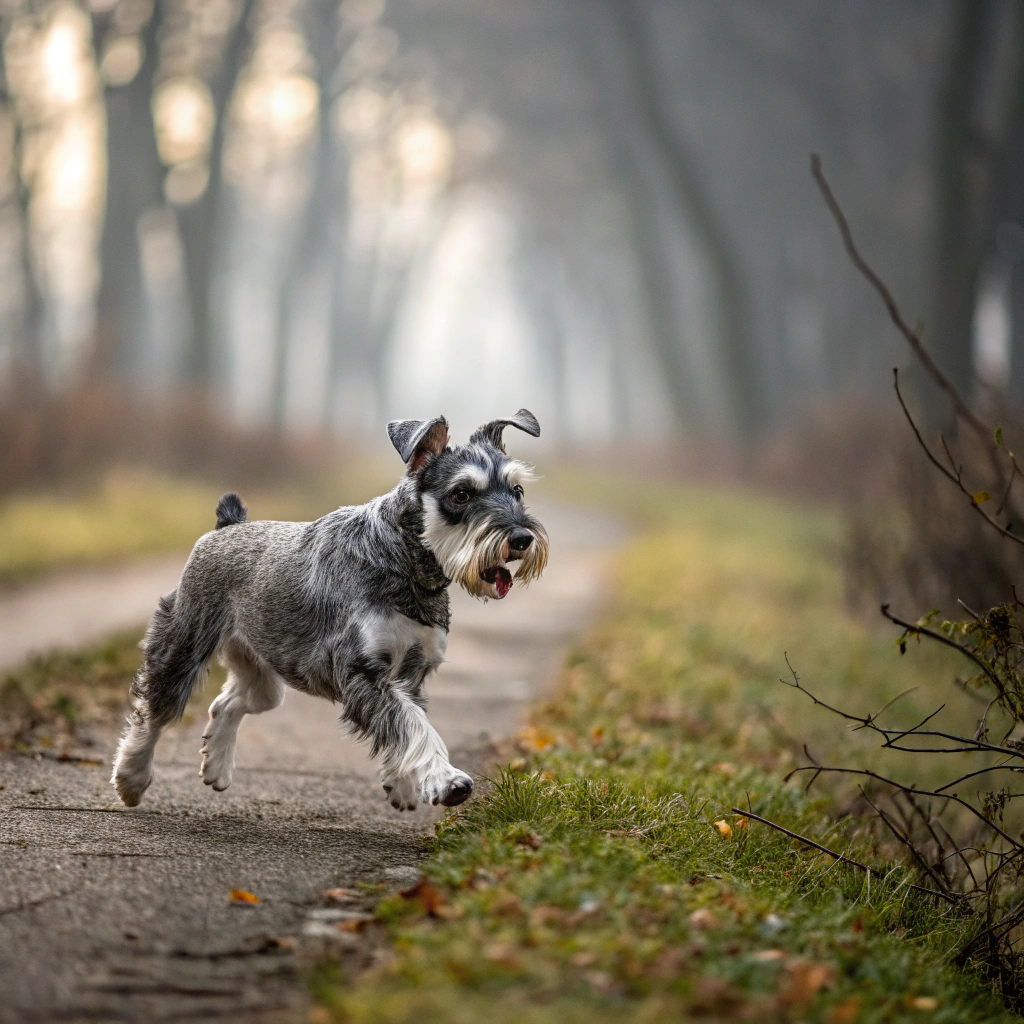
The Miniature Schnauzer is a bold, spirited terrier packed into a compact 11-20 pound frame, distinguished by their distinctive bearded face and bushy eyebrows. Originally bred in Germany as farm dogs to hunt rats and guard property, these alert little dogs retain their working instincts and take their watchdog role seriously—your neighbors will definitely know when someone approaches your door. Miniature Schnauzers are intelligent, trainable, and surprisingly athletic despite their size. They're generally good with children and other dogs when properly socialized, though their terrier heritage means they have opinions and can be stubborn. Their wiry coat is considered hypoallergenic (low-shedding) but requires regular grooming—either professional clipping every 5-8 weeks or learning to hand-strip the coat to maintain proper texture. If you want a smart, alert, portable companion who's big on personality but small on size, adaptable to apartment or house living, and makes an excellent watchdog, a Miniature Schnauzer is perfect. They need daily exercise and mental stimulation, consistent training to manage their stubborn streak, and regular grooming—but they offer loyalty, entertainment, and a dog who thinks they're much larger than they actually are.
Size
small
Life Span
12-16 years
Personality Traits
Miniature Schnauzer
Quick Stats Overview
Pug
About
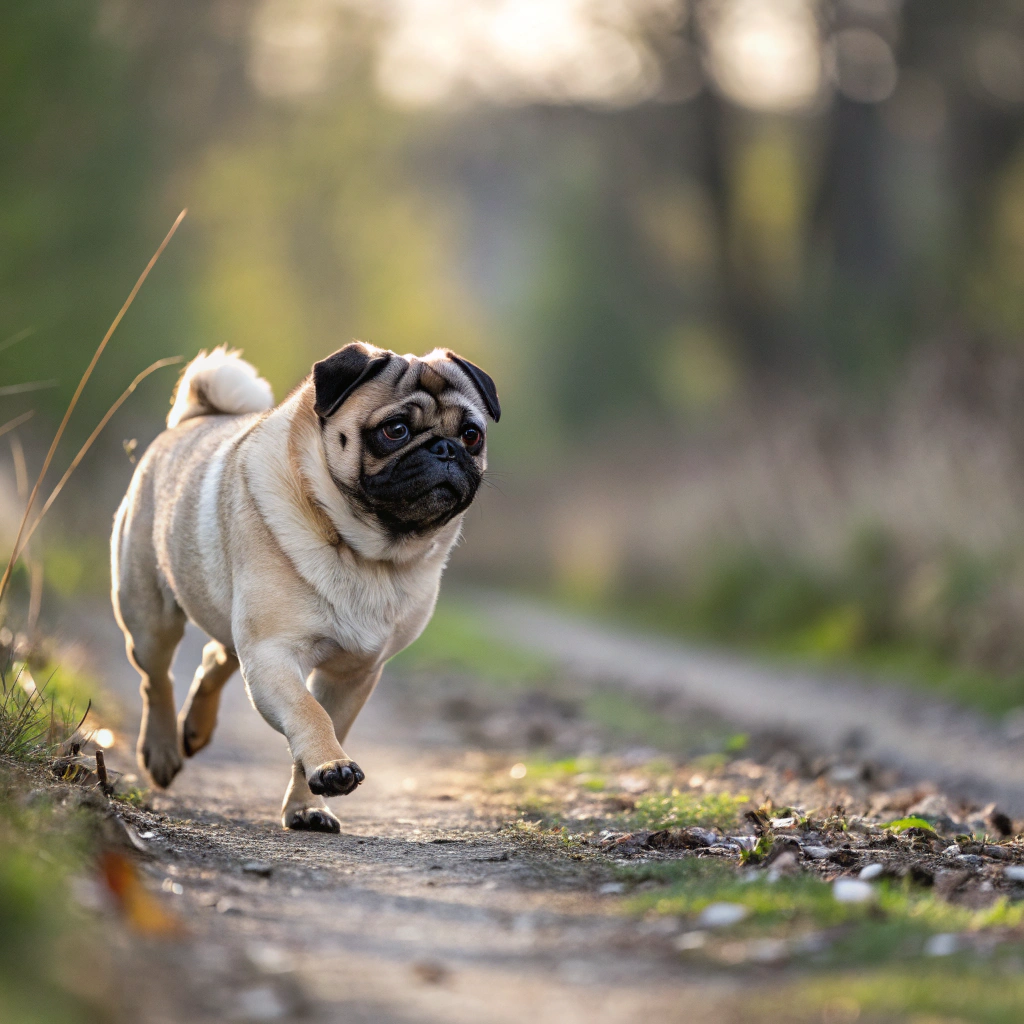
The Pug is a small dog with a huge personality, featuring a distinctive wrinkled, flat face and curled tail that originated in ancient China as companions for royalty. These charming clowns (14-18 pounds) are famous for their expressive faces, snorting sounds, and desire to be the center of attention. Pugs are affectionate, playful, and surprisingly comedic—they seem to have a natural talent for making their humans laugh with their antics. Pugs are excellent apartment dogs with moderate exercise needs—short walks and play sessions suffice, as their flat faces make breathing difficult, especially in heat. Like all brachycephalic breeds, Pugs overheat easily, can't swim well, snore spectacularly, and are prone to eye injuries due to their prominent eyes. Their wrinkled faces need regular cleaning to prevent infections, and they shed constantly despite their short coat. If you want a comical, affectionate companion who thrives on human attention, is great with kids and other pets, and fits well in smaller living spaces, a Pug delivers endless entertainment. They need climate-controlled environments, regular wrinkle care, and owners who can handle health challenges—but they offer unwavering devotion, constant entertainment, and a dog who believes their entire purpose is to be your shadow and make you smile.
Size
medium
Life Span
10-14 years
Personality Traits
Pug
Quick Stats Overview
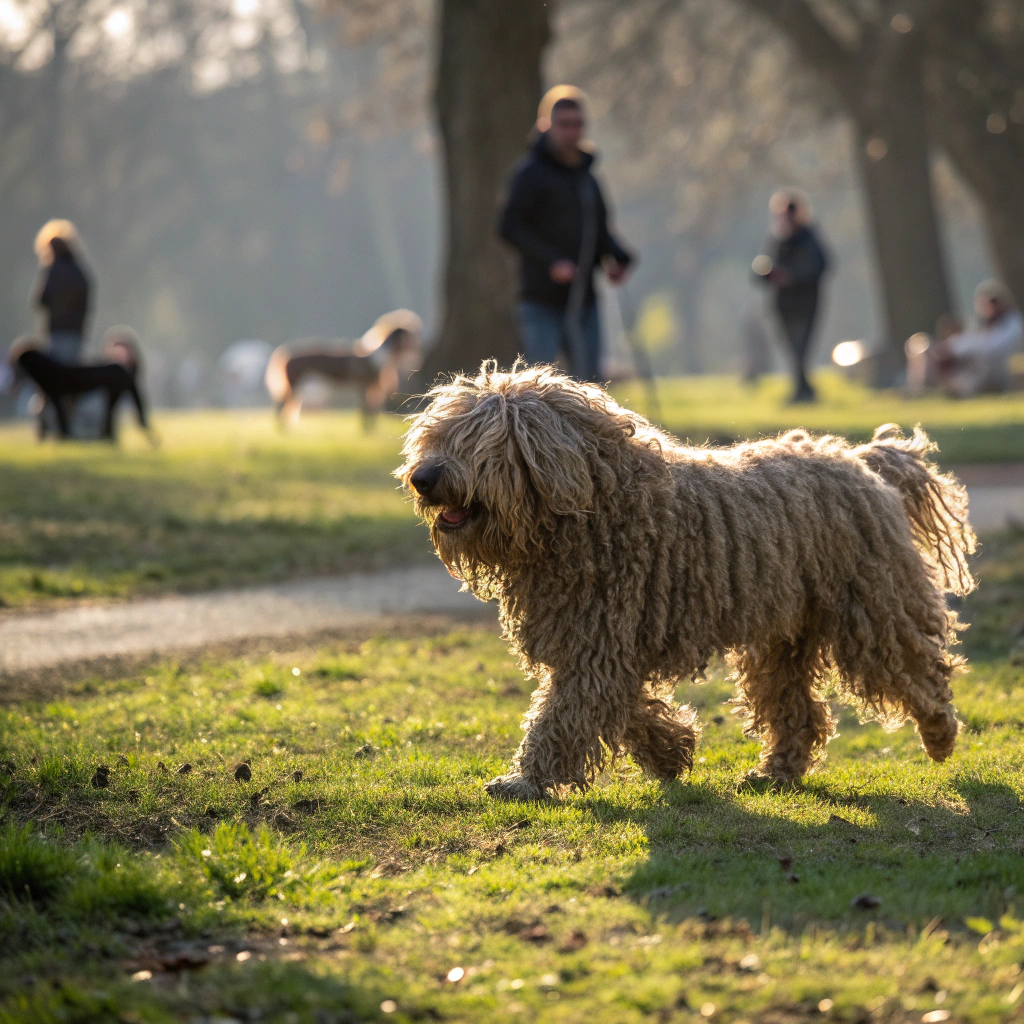
Puli
About
The Puli is a distinctive Hungarian herding breed developed over 1,000 years ago by Magyar tribes, brought to Hungary around 896 AD. These sheep herders became integral to Hungarian pastoral life. Standing 16-17 inches tall and weighing 25-35 pounds, Pulis are medium-sized dogs hidden beneath their extraordinary coats. Their most distinctive and famous feature is their corded coat that resembles dreadlocks or mop-like appearance, formed naturally as the soft undercoat tangles with coarser outer coat. Pulis come in solid black, white, gray, or cream colors. The cording process begins around 9-12 months and continues throughout life, eventually reaching ground length. Under those cords, Pulis have compact, square builds with powerful hindquarters and deep chests. They have slightly domed heads, V-shaped drop ears, and dark, almond-shaped eyes barely visible through cords. Pulis have high-set tails that curl over backs. Their unique coats provide insulation and protection from weather and predators. The corded coat requires specific maintenance—washing takes hours and drying can take days. These agile dogs are remarkably athletic and capable of impressive speed and jumping despite appearing like mobile mops. Pulis remain working herding dogs in Hungary.
Size
medium
Life Span
10-14 years
Personality Traits
Puli
Quick Stats Overview
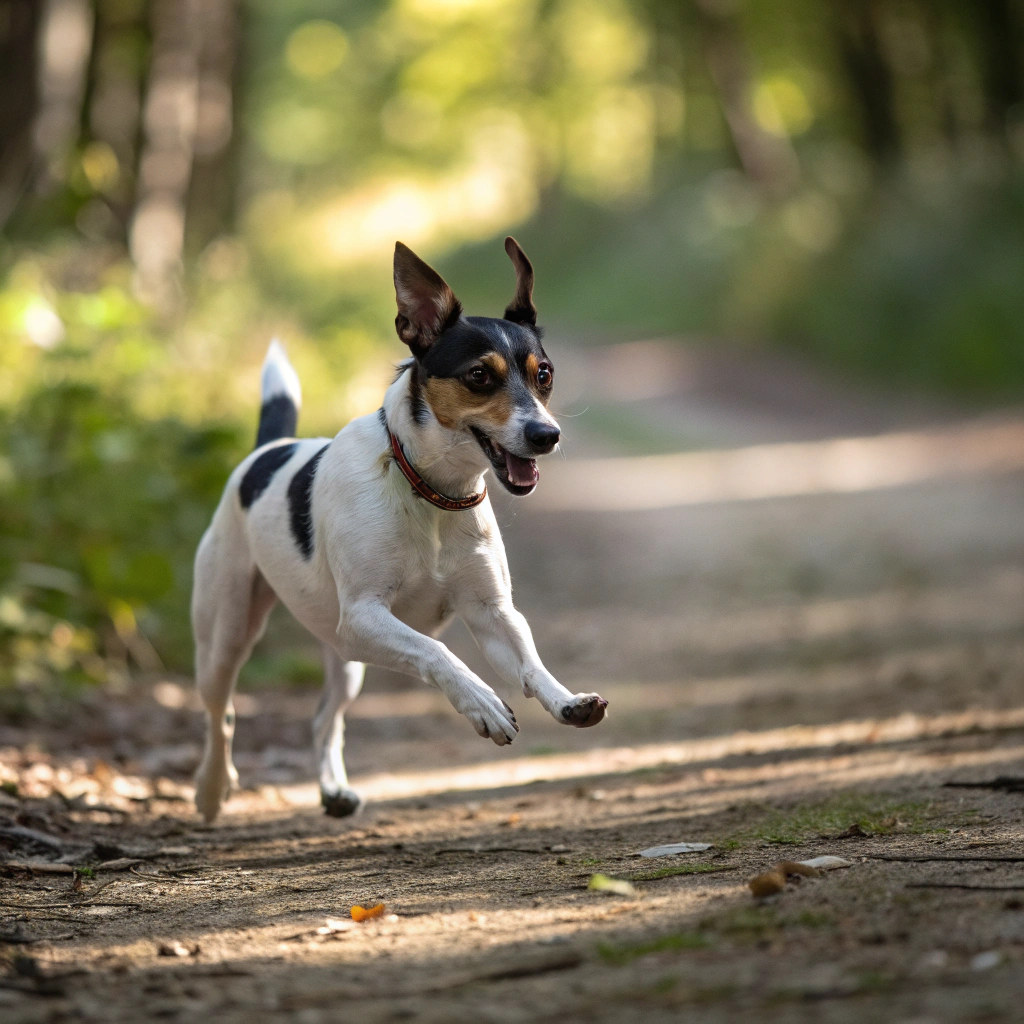
Rat Terrier
About
The Rat Terrier is an American breed developed in the early 1900s by farmers needing versatile dogs to control rat populations and hunt small game. Created by crossing various terriers with Beagles, Italian Greyhounds, and Manchester Terriers, producing agile, efficient ratters. Rat Terriers come in two sizes: Miniature (10-13 inches) and Standard (13-18 inches), weighing 10-25 pounds depending on size. They have compact, muscular builds with moderate bone and athletic proportions. Rat Terriers have smooth, short, dense coats that are easy to maintain, coming in various color combinations including white with black, tan, chocolate, blue, or combinations creating bi-color or tri-color patterns. They have wedge-shaped heads, button or erect ears (both acceptable), and expressive, intelligent eyes that are dark or correspond to coat color. These terriers have level backs, deep chests, and high-set tails traditionally docked but now often left natural. Rat Terriers are remarkably agile and fast, capable of impressive speed and quick direction changes. Their smooth coats require minimal grooming. These versatile farm dogs remain working dogs on many farms, controlling vermin populations efficiently. The breed was recognized by the AKC in 2013.
Size
medium
Life Span
10-14 years
Personality Traits
Rat Terrier
Quick Stats Overview
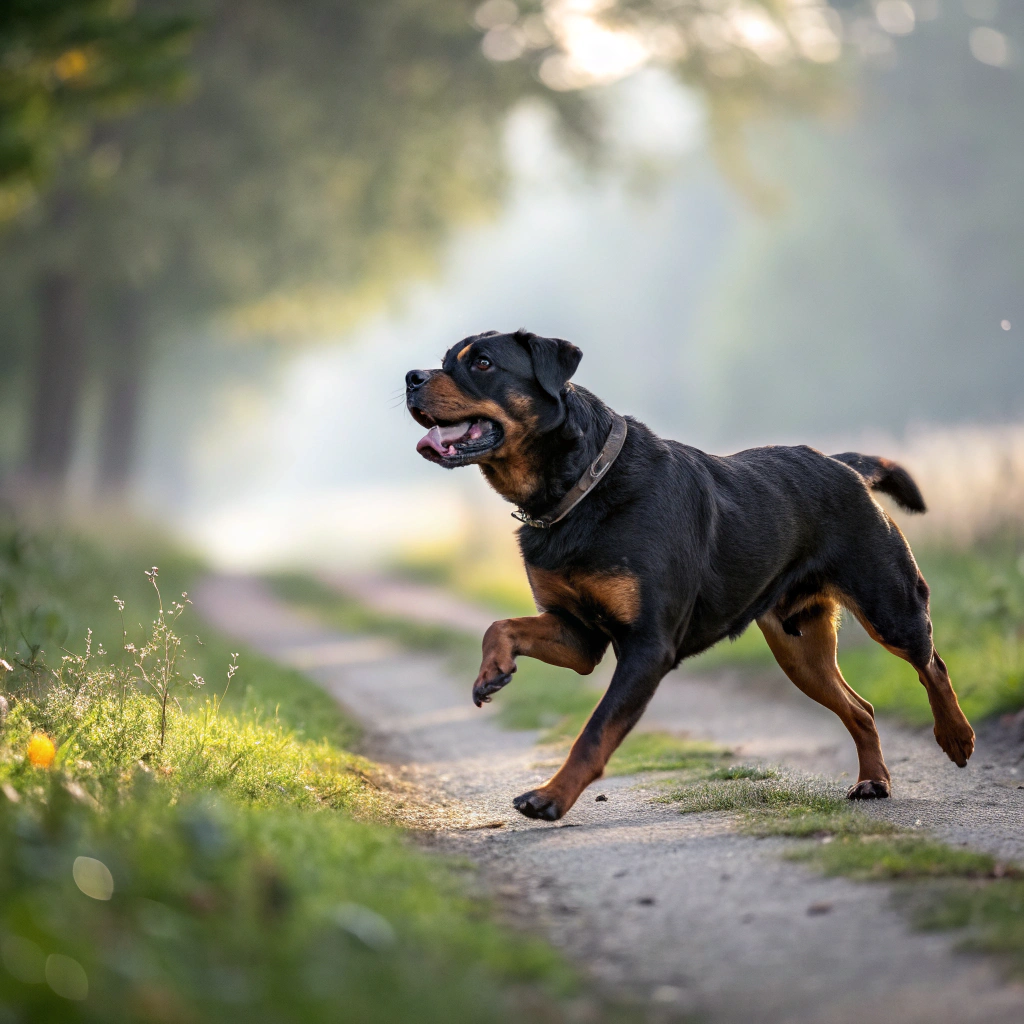
Rottweiler
About
The Rottweiler descended from Roman drover dogs that accompanied legions across Europe, herding cattle and guarding supplies—a heritage that shows in their powerful build, unwavering loyalty, and natural protective instincts. These substantial dogs (75-135 pounds) combine strength with surprising gentleness, especially with family members they adore. Properly raised Rottweilers are confident, calm, and deeply devoted, but their imposing presence and guarding instincts demand responsible ownership. Rottweilers need early, extensive socialization and ongoing training from confident owners who can provide consistent leadership without harsh methods. These intelligent dogs thrive on having jobs to do, whether that's obedience work, carting, herding, or just being your devoted shadow. They require daily exercise and mental stimulation, but aren't as high-energy as working breeds like Border Collies—they're powerful sprinters, not marathon runners. If you're an experienced owner who can provide structure, socialization, and affection, a Rottweiler offers unmatched loyalty and protection. They're naturally wary of strangers, need secure fencing, and aren't suitable for first-time dog owners or those intimidated by their size—but for the right family, they're gentle giants who take their guardian role seriously while remaining devoted companions.
Size
medium
Life Span
10-14 years
Personality Traits
Rottweiler
Quick Stats Overview
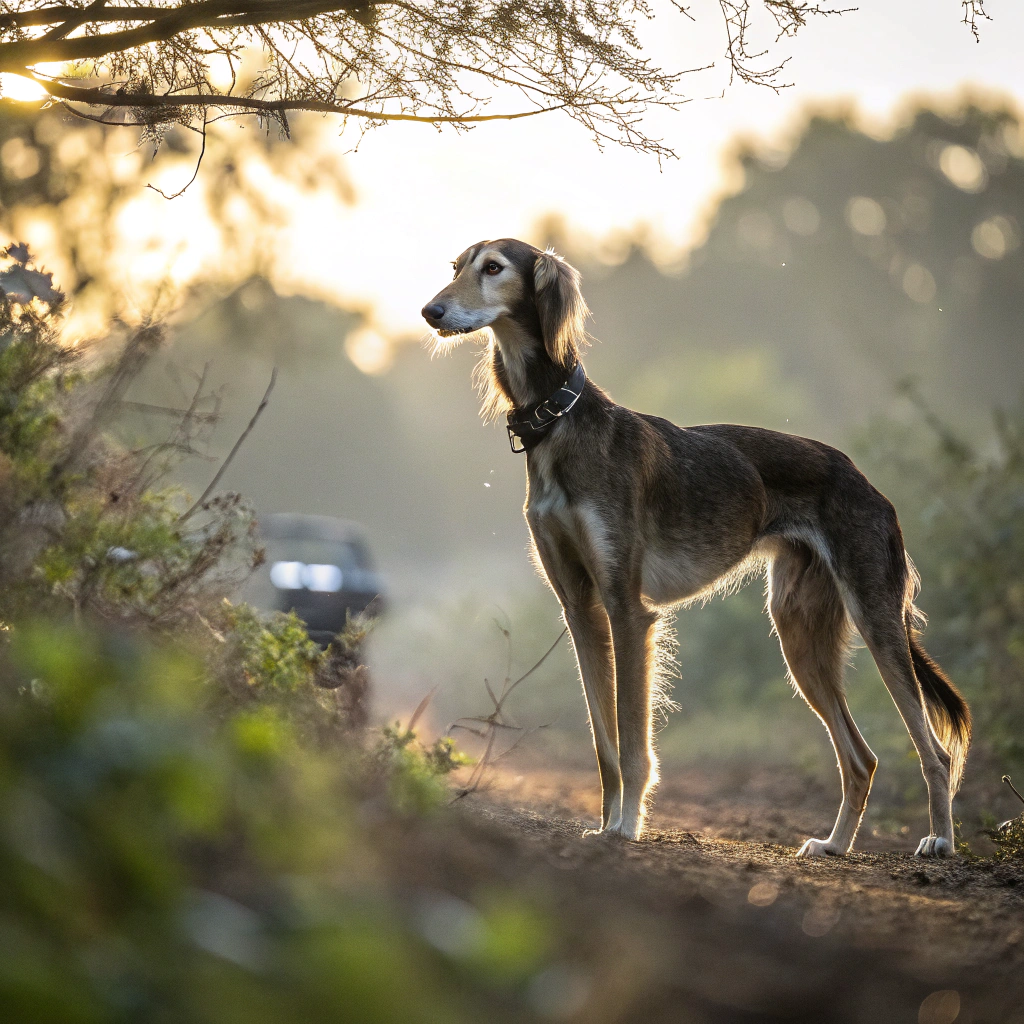
Saluki
About
The Saluki is one of the world's oldest dog breeds, an ancient Middle Eastern sighthound with history dating back at least 5,000 years to ancient Egypt and Mesopotamia. These "Royal Dogs of Egypt" were prized by nobility and Bedouin tribes for hunting gazelle and hare. Standing 23-28 inches tall and weighing 40-65 pounds, Salukis are elegant, athletic sighthounds built for speed and endurance. They come in two coat varieties: smooth (short coat on body) or feathered (slight feathering on legs, backs of thighs, and ears). Their most striking features include long, elegant heads, large, oval eyes conveying gentle dignity, and long, mobile ears covered with silky hair in feathered variety. Salukis have long, graceful necks, deep, narrow chests, and remarkable tuck-up in loins creating elegant lines. Coats come in various colors including cream, fawn, golden, red, grizzle, black and tan, tri-color, or white. These sighthounds have long, feathered tails carried in curves. Their movement is smooth and floating, capable of impressive speed—they can reach 40 mph. Salukis have large, well-padded feet. These ancient dogs retain primitive characteristics and independent natures, appearing in ancient artwork worldwide.
Size
medium
Life Span
10-14 years
Personality Traits
Saluki
Quick Stats Overview
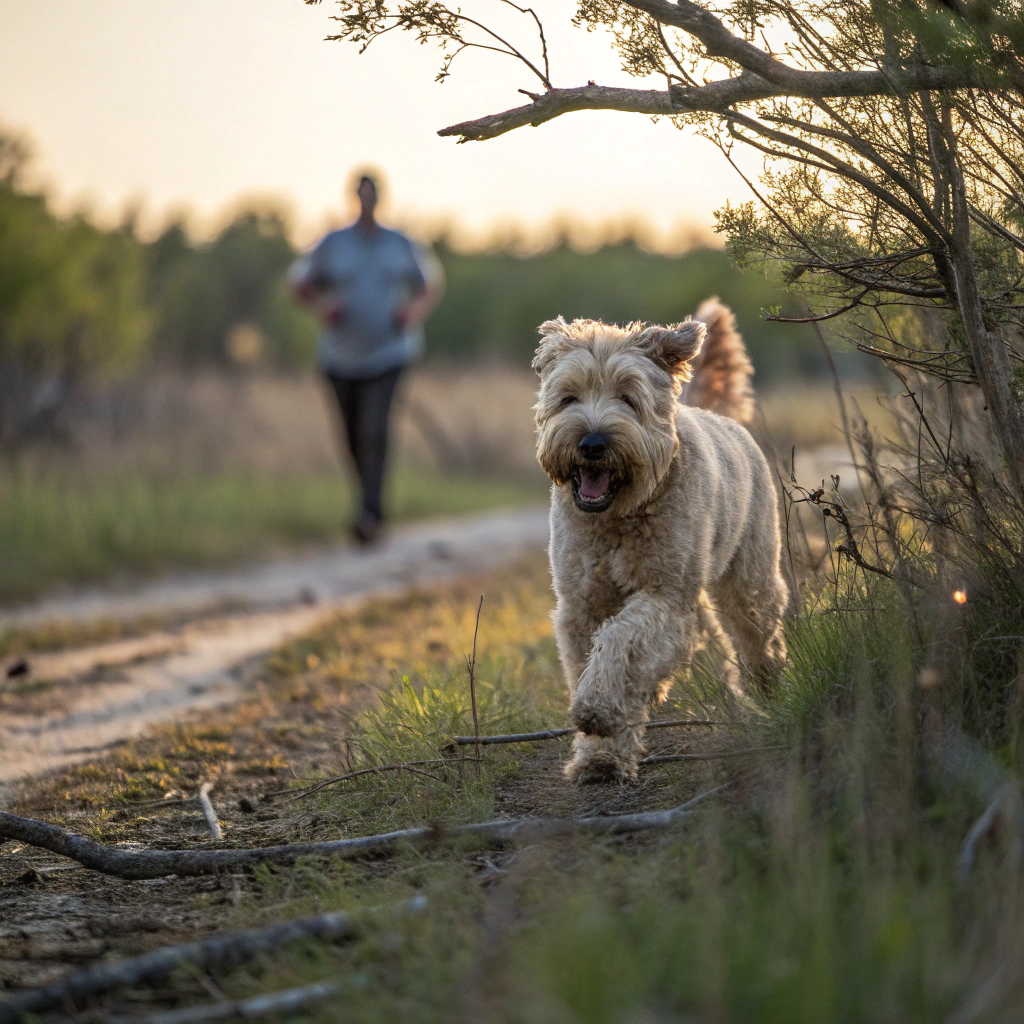
Soft Coated Wheaten Terrier
About
The Soft Coated Wheaten Terrier is an Irish breed with history spanning at least 200 years, developed as versatile farm dogs handling various tasks including herding, guarding, and vermin control. Standing 17-19 inches tall and weighing 30-40 pounds, Wheatens are medium-sized terriers with sturdy, compact builds. Their most distinctive feature is their soft, silky, wheaten-colored coat that ranges from pale beige to shimmering gold. Unlike most terriers with harsh coats, Wheatens have single coats that are soft and silky with gentle waves. Their coats don't shed significantly but require regular grooming to prevent matting. Soft Coated Wheaten Terriers have rectangular-shaped heads, dark, medium-sized eyes conveying intelligence and alertness, and small to medium V-shaped ears folding forward. They have level backs, deep chests, and tails traditionally docked but increasingly left natural, carried gaily. These terriers have open, friendly expressions unusual for terrier breeds. Wheaten puppies are born with darker coats that lighten to characteristic wheaten color as they mature, typically around 18-24 months. Their soft coats require significant grooming commitment. These versatile Irish farm dogs remain active, capable workers.
Size
medium
Life Span
10-14 years
Personality Traits
Soft Coated Wheaten Terrier
Quick Stats Overview
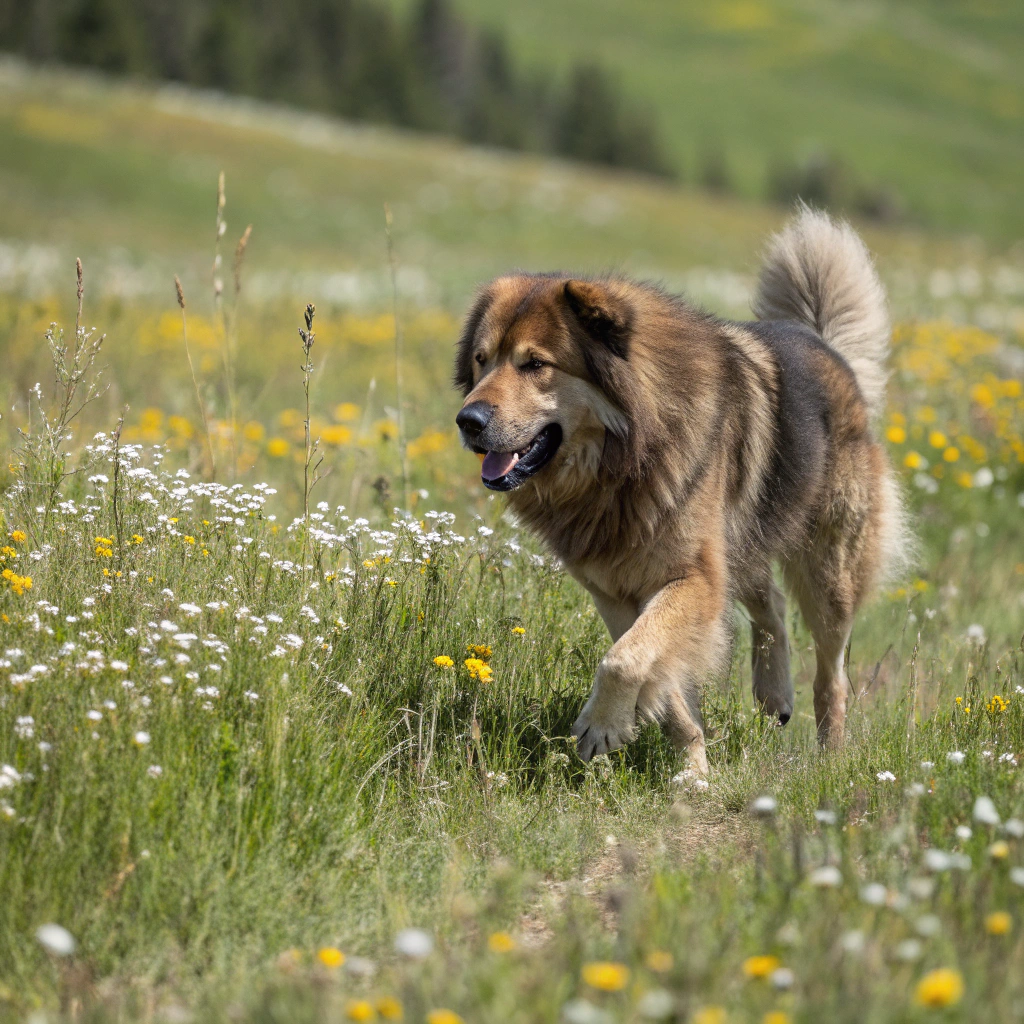
Tibetan Mastiff
About
The Tibetan Mastiff is an ancient guardian breed from the Himalayan mountains of Tibet, developed to protect livestock, property, and families from predators including leopards, wolves, and bears. These massive dogs have existed for thousands of years, remaining relatively isolated until the 1800s. Standing 24-26 inches tall (females smaller) but weighing 70-150 pounds, Tibetan Mastiffs are substantial dogs with impressive bone and muscular builds. Their most striking feature is their thick, weather-resistant double coat creating lion-like manes around necks and shoulders, especially in males. Coats come in black, brown, blue-gray, or gold, with or without tan markings. Tibetan Mastiffs have broad, heavy heads, deep-set, almond-shaped eyes conveying intelligence and dignity, and medium-sized, V-shaped ears dropping forward. They have level backs, deep, muscular bodies, and bushy tails carried in curves over backs. These guardian dogs have thick, feathered coats providing insulation in harsh mountain climates. They shed heavily once annually. Tibetan Mastiffs are impressively powerful and athletic despite their size. Their deep, impressive bark is territorial and carries long distances. These ancient dogs retain strong guardian instincts and independent natures.
Size
large
Life Span
8-12 years
Personality Traits
Tibetan Mastiff
Quick Stats Overview